Showing posts with label Mortgage Help. Show all posts

Friday, July 10, 2015

AZ Home Plus Down Payment Assistance Loan Program

Pin It

AZ Home Plus Home Loan Program | Down Payment Assistance Program

Posted on

AZ Down Payment Assistance Program - Home Plus Home Loan Program

The Arizona Housing Finance Authority (AzHFA) operates on behalf of the Arizona Department of Housing to assist creditworthy renters who can afford a mortgage but lack the resources for a down payment. The AzHFA Home Plus Home Loan Program provides an attractive 30-­year fixed-­rate mortgage with a down payment assistance (DPA) grant to qualifying homebuyers purchasing a primary residence, which they intend to occupy. The DPA is provided as a non-­repayable grant that can be used for the down payment and closing costs, equal to 4% of the initial principal balance of the mortgage loan.

Qualified U.S. military personnel and veterans may receive an additional one percent of DPA for a total of 5% of the mortgage amount. The DPA is only available in conjunction with a Home Plus loan and is funded by AzHFA at the mortgage loan closing. Home Plus borrowers do not need to be first-­time buyers.

Program Highlights
  • Mortgage for the purchase of an Owner occupied, Primary Residences only
  • Borrower(s) Income not to exceed $88,340
  • Purchase Price limit not to exceed $353,360
  • All homebuyers are required to complete a pre purchase homebuyer education course either online or in person through HUD-approved homebuyer education provider
Conforming – Fannie Mae HFA Preferred | 30-year fixed rate
  • LTV’s 95.01% - 97% - Minimum 680 FICO
  • LTV’s 95.0% or less – Minimum 640 FICO
FHA, VA or USDA mortgages | 30-year fixed rate
  • Minimum 640 FICO score (660 for manufactured housing)
Ready to become home owner?
Contact Us today for complimentary consultation.

Swee Ng, is a Gilbert resident specializing in win-win real estate transaction through great communication and fighting for his clients' best interest. After all, this is more than real estates, this is about your life and your dreams.
If you are looking to buy or sell your home in Phoenix AZ area, we hope you will consider us.

Free Phoenix MLS Home search

TXT AZ246 to 32323 to Download Mobile App to browse home on your mobile device

Monday, January 12, 2015

Conventional 3% Down Payment Buying a house in Phoenix AZ

Pin It

Conventional 3% Down Payment for buying a house in Phoenix AZ

Posted on

Conventional 3% Down is a Fannie Mae program that requires a minimum down payment of 3% for homebuyers with limited funds. This is a lower down payment than FHA financing, and these loans also usually have lower mortgage insurance (MI) costs.

Conventional 3% Down Payment for buying a house in Gilbert AZ

Our Lender Partner - Academy offers 30-year fixed-rate Conventional 3% Down loans with these benefits:
  • Financing: 97% financing with a 3% down payment (gift funds allowed). Closing costs may be paid by the property seller, employer-assistance, or with gift funds. 
  • Mortgage insurance (MI): Flexible plans and payment options for MI. No upfront MI required. Unlike some other loan programs, MI drops off automatically when the loan is paid down to 78% loan-to-value. 
  • Qualifications: The loan must be approved through Fannie Mae’s automated Desktop Underwriter system. One borrower must be a first-time homebuyer. 
  • Eligible properties: One-unit, primary residence; planned unit development (PUD), and Fannie Mae-eligible condominiums.
Other Affordable Financing Options Available
Several low down payment financing options including; Down Payment Assistance Program, FHA 3.5% 0.5% Down Financing, VA ZERO Down Financing, Conventional Financing and others are available. Contact Us to find out what loan programs you qualify for. Learn more about how to buy a house in Phoenix AZ with a low down payment.


photo of Swee Ng
Keller Williams Realty

15905 S 46th St #160
Phoenix , AZ , 85048
480-721-6253

Swee Ng, is a Gilbert resident specializing in win-win real estate transaction through great communication and fighting for his clients' best interest. After all, this is more than real estates, this is about your life and your dreams.
If you are looking to buy or sell your home in Phoenix AZ area, we hope you will consider us.

Saturday, August 2, 2014

5% Gift Down Payment Program

Pin It

New 5% Gift Down Payment Program for Conventional Mortgage

Posted on
Introducing New 5% Gift Down Payment Program from our lender partner. Entire 5% down payment can be gifted by another person. For example, family members can give down payment for your new home with conventional loan.

New 5% Gift Down Payment Program for Conventional Loan

Academy's expanded requirements take the stress out of using gift funds to purchase a new home. Gifts/grants are now allowed to be considered part of the borrower's own funds.
  • Entire 5% down payment can be gifted by another person
  • Private mortgage insurance is required, yet premiums are lower than on a comparable FHA loan
  • Seller or lender credits for closing costs are allowed
  • Gifts of equity are allowed


Ready to Buy?
  • Call 480.721.6253 or Contact Us to schedule a Complimentary & NO OBLIGATION Buyer Consultation
  • TXT AZ246 to 32323 to Download My GPS enabled Mobile App and Browse Homes on your smartphone
photo of Swee Ng
Keller Williams Realty

15905 S 46th St #160
Phoenix , AZ , 85048
480-721-6253

Swee Ng, Realtor with Keller Williams Realty, specialize in Residential Resale, First Time Home Buyer and Investment Homes.
Call 480.721.6253 today for complimentary consultation. Buyer's Representation Services (NO COST TO HOMEBUYERS)

Friday, April 25, 2014

0.5% Down Payment FHA Program

Pin It

0.5% Down Payment FHA Program

Last updated on
Making Home Ownership a Reality!
Our lender partners offer a loan program with a 0.5% percent down payment to help low to moderate income borrowers achieve home ownership.


* 0.5% Down Payment FHA Program:
  • Total financing of up to 99.5% of the sales price or appraised value, whichever is lower
  • 30 year fixed rate FHA loan
  • Down payment and closing cost assistance via a low, fixed-rate second mortgage (up to 3% of the sales price or appraised value, whichever is lower)
  • No first-time home buyer requirement
  • Homebuyer education is required
Example of 99.5% total financing utilizing the program is based on the combination of a 30-year-fixed rate FHA first mortgage and a 15-year fixed rate second mortgage.
* subjected to program availability


Swee Ng, Realtor with Keller Williams Realty who live, work and play in Gilbert AZ, specialty in Residential Resale, First Time Home Buyer and Investment Homes. Buyer's Representation Services (NO COST TO HOMEBUYERS). Call 480.721.6253 today for complementary consultation.

Tuesday, April 15, 2014

How to Buy a House with Low Down Payment

Pin It

How To Buy A House With A Low Down Payment in Phoenix AZ

Last updated on

Is a big down payment the only thing stopping you from taking advantage of the most affordable real estate market in decades? Check out this quick video to discover why you might be closer than you think.


Low and No Down Payment Loan Programs
There are several low down payment financing options available including; FHA 0.5 Down Payment Financing Program, FHA 3.5% Down Financing, VA ZERO Down Financing, USDA ZERO Down Financing. Down Payment Assistance Program is also available. Contact Us to see what programs you qualify for!

How to Buy a House with Low Down Payment in Phoenix AZ

Skilled Negotiations Can Save You Money
Once you have found a home and are ready to make an offer, it is very important to work with a Realtor with experience negotiating.  We can negotiate for all closing costs to be paid by the Seller.  This keeps more money in YOUR pocket.  If you qualify for a VA loan, we can negotiate terms which require no money down.  Contact us today to find out what other negotiation strategies we can put to work for you!

Free Pre-Qualification
Pre-qualification acts as a dry run of the loan application process. The mortgage lender will use details you provide about your credit, income, assets and debts to arrive at an estimate of how much mortgage you can afford. The whole process may take only minutes and is free.

While a "pre-qual" is non-binding to the lender (because the information you provide has not been verified), it does serve as a good indication to potential sellers of your general creditworthiness.

These days most sellers will NOT accept an offer without at least a pre-approval letter, so if you are serious about buying this is the first step towards getting you in your new home.

What's My Adora Trails Home Worth?
Click here to Find Out Your House Value Instantly

Free Home Search


photo of Swee Ng
Keller Williams Realty

15905 S 46th St #160
Phoenix , AZ , 85048
480-721-6253

Swee Ng, Realtor with Keller Williams Realty, specialize in Residential Resale, First Time Home Buyer and Investment Homes.
Buyer's Representation Services (NO COST TO HOMEBUYERS). Call 480.721.6253 today for complementary consultation.

Saturday, February 22, 2014

Can You Afford to Wait?

Pin It

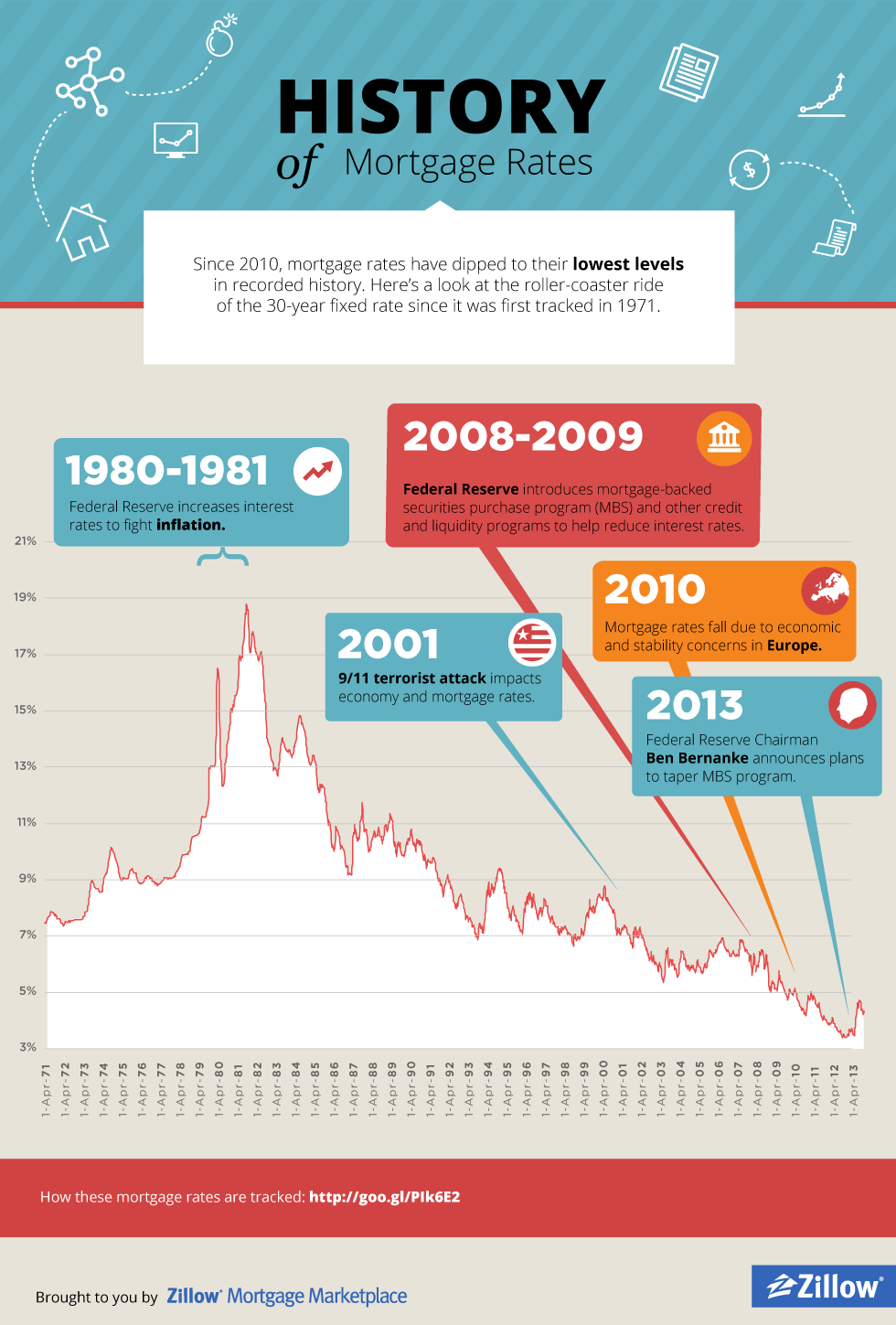
History of Mortgage Rate

If you are looking to purchase a new house this year, now is the time to take advantage of today’s lower rates. For comparison purposes, if mortgage rates rise to 5 percent, that means a monthly payment on a $200,000 loan will rise by roughly $160 a month.

Click here to start Searching Your Dream Home

Thursday, February 13, 2014

Fannie Mae offers closing cost assistance

Pin It

Fannie Mae Offers Closing Cost Assistance

For a limited time, Fannie Mae will give eligible homebuyers in 27 states (Arizona is 1 of 27) up to 3.5 percent in closing cost assistance when they purchase a HomePath property during the property’s “First Look” period.

During the FirstLook period, owner-occupant or public entity buyers are able to submit offers on HomePath properties, giving them the opportunity to purchase homes without competition from investors.

To be eligible for the incentive, the initial offer must be submitted between February 14, 2014 and March 31, 2014, and close on or before May 31, 2014. The incentive will offer qualified buyers up to 3.5 percent of the final sales price to pay closing costs. In many cases, buyers could use these savings to buy down their interest rate through upfront points, resulting in additional savings over time. Buyers can work with the lender of their choice to determine if this is an option.

...Click here for more information...

Ready to Buy?
  • Call 480.721.6253 or Contact Us to schedule a Complimentary & NO OBLIGATION Buyer Consultation
  • TXT AZ246 to 32323 to Download My Mobile App and Browse Homes on your smartphone

Monday, December 9, 2013

New FHA Loan Limit in Maricopa County 2014

Pin It

New FHA Loan Limit in Maricopa County 2014

FHA just released the news that beginning on January 1, 2014, the FHA loan limit in Maricopa County for a single family residence will decrease from the current maximum loan limit of $346,250 down to a maximum loan limit of $271,050.

The new loan limit will begin on January 1, 2014.

New FHA Loan Limit in Maricopa County 2014

If you can get under contract prior to December 31, 2013, you can still use the current maximum limit of $346,250.

Ready to Buy?
  • Call 480.721.6253 or Contact Us to schedule a FREE & NO OBLIGATION Buyer Consultation
  • TXT AZ246 to 32323 to Download My GPS based Mobile App and Browse Homes on your smartphone

Tuesday, October 8, 2013

How does the Government Shutdown Affect Your Loan?

Pin It

How does the Government Shutdown Affect Your Loan

The shutdown is going to affect loans in many ways.  The impact of this depends on how long the government will be shutdown.  If there is a short shutdown, a week or less, it will be minor.  If the shutdown is longer than that, then it will become more difficult to close the loans.
Here are some items that will be affected:
  • FHA Loans: The approval process may be slowed due to limited FHA staff to respond to question and complete reviews
  • VA Loans: With the Department of Veterans Affairs continuing to operate as normal, VA Loan will not be adversely impacted in any way
  • USDA Loans: No new loan or guarantee will be made
  • Internal Revenue Service: The IRS will not process any forms, including tax transcripts, which are required for loan closing
  • Social security Administration: The SSA will likely not be able to verify Social Security numbers, which is required for loan closing
  • FEMA Flood Insurance: It is likely that mapping issues or amendments will be impacted
  • Fannie Mae and Freddie Mac: Fannie and Freddic will not be directly affected, excepts to the extent that they rely on verification and other functions of HUD, the IRS and the SSA

Friday, May 17, 2013

5 Ways To Get The Best Mortgage Deal

Pin It


It's much tougher to get a home loan these days. Lenders now are required to perform more due diligence on mortgage borrowers than in the past. And thanks to the Great Recession, many mortgage shoppers may struggle to pass these stricter tests.

But that doesn't mean you have to give up hope. Following are five expert suggestions to improve the odds of getting a loan at the best mortgage rate.

Make sure your credit is excellent
A mortgage shopper's most important move is to request a credit report and make sure it is accurate, according to Cindy Tessier, manager of mortgage processing and closing for Navy Federal Credit Union in Vienna, Va.

Tessier says lenders look to a borrower's credit score when deciding what interest rate to charge, so maintaining a high score is especially important.

"If there is anything negative on your credit report, you need to call the creditor to correct it or to work out a payment plan," Tessier says. "When you apply for a mortgage loan, be sure to provide documentation of any negative accounts, especially if this is something in dispute."

Once the error is corrected, go back to the credit reporting agency to see if the negative item has been updated.

Financial experts also recommend paying off collections and credit card balances before applying for a loan.

Todd Dal Porto, a national sales executive with Bank of America Home Loans, says, "Keep your debt low and the amount of credit you're using under 20 percent of what's available to you. Always paying your bills on time is one of the best ways to maintain healthy credit."

Be transparent in the loan application
Don't hide flaws such as credit problems, and don't fudge information about income or assets.

"Take your time to carefully fill out the loan application as accurately as possible," Dal Porto says. "Trying to hide credit problems or holding back requested documents can only work against an applicant by delaying the process and possibly even preventing a mortgage approval."

The lender wants to make sure the borrower has the capacity to repay the debt. So applicants should be prepared to disclose all assets and income, Tessier says.

"If you earn overtime pay or a bonus, be ready to provide documentation for extra income," Tessier says. "Make sure you document all your assets, including a 401(k), an IRA, CDs and savings, even if you won't be using those funds for the home purchase."

Make a big down payment
A large down payment can make a big difference in whether your home loan application succeeds.

"The more you can contribute to the down payment, the more attractive you'll be to lenders," says Dal Porto.

Contributions from family members or friends for down payment money are allowed by most loan programs. Lenders typically require such contributions to be accompanied by a gift letter asserting you won't have to repay the money.

Look beyond interest rates
Don't focus solely on getting the lowest rate. Evaluate your overall budget, monthly payments and fees.

"A home loan is not just about getting the best deal -- it's about getting the right mortgage with no surprises so you can be a successful homeowner," Dal Porto says.

"Everyone should calculate their own debt-to-income ratio, look at the full cost of homeownership and determine how much they can comfortably afford to spend each month."

Tessier recommends borrowers do their homework, comparing good faith estimates and making sure they won't have to pay a prepayment penalty if they decide to refinance in the future.

"Don't just focus on the interest rate," Tessier says. "Look at the discount points, origination fees, underwriting fees and document preparation fees when comparing loans. You also need to understand how your loan works, especially if it has an adjustable rate."

Refinancing: Prepare for the appraisal
Planning a refinance? Tessier says it's important to "have a realistic expectation of the value of your home."

"Know your market and consult with a good real estate agent before you apply for a new mortgage," Tessier says.

Dal Porto recommends making sure the home is in good working order prior to the appraisal. Repair leaky faucets and make sure all areas of the home are easily accessible to the appraiser.

"Give the appraiser a written list, including your purchase date and price, the special features of the home, any home improvements or repairs you have made and the age of items such as the roof, flooring, siding and heating and cooling systems," Dal Porto says.

via bankrate

Thursday, April 25, 2013

How to Decode Your Credit Score

Pin It

A common complaint about credit scores is that they are a “black box” containing a set of mysterious secret formulas that can confuse even the most savvy of consumers.

While there are many ways in which trying to understand credit scores can be frustrating to consumers, for high scorers eyeing that elusive perfect score, part of the confusion often comes in the form of those seemingly “meaningless” reason codes that accompany almost all credit scores, good or bad.

By meaningless reason codes, I’m talking about the comments that accompany high (over 760 FICO) credit scores, with such descriptions as “no recent bankcard balance information,” “too many bankcard charge accounts,” “lack of recent installment loan information,” and other messages that tend to make someone who is effectively managing their credit feel like they should be doing more.

As a high-scoring Credit.com reader recently asked us,  ”I feel like I am penalized for owning my home and not being in debt. Where’s the logic in that?”

This is a good question, to which a logical response would be that these reason codes represent the scoring factors with the greatest difference between the number of points possible and the number of points achieved. In other words, these are the areas of the score where you “lost” the most points.

Reason codes can be valuable to consumers with scores in the lower-to-middle scoring ranges, as they point out the areas needing the most improvement, mostly within the payment history and amounts owed categories that together make up almost two-thirds of a FICO score.

For high-scoring consumers, who by definition have already been paying on time and keeping balances low — practices everyone should follow — reason codes tend to focus on the less important scoring factors that can help distinguish one high-scoring consumer from another to a lender, but that doesn’t make much sense to someone simply trying to do what it takes to raise an already good score.

To illustrate, let’s take a look at some of these low-impact reason codes that tend to appear with high scores, and what might happen if you attempt to act on them:
  • No recent bankcard balance information. This usually means there are no credit card accounts with balances on the credit report. To remedy this situation, you may be tempted to stop paying your balances in full each month, and instead make only minimum payments.  However, doing so is more likely to have the opposite effect of dropping your score and replacing that reason code with one such as “amount owed on revolving balances is too high.”
  • Too many bankcard charge accounts. This one sounds pretty straightforward, but there’s a catch. Notice how this reason code doesn’t say there are too many “open” cards — just that there are too many cards on the report? People often interpret this reason code as “too many open bankcard charge accounts” and close one or more cards, not realizing that by doing so they raise the risk of higher credit utilization (balance/limit ratio) and a lower score, accompanied by the reason code, “proportion of balances to credit limits on revolving/charge accounts is too high.”
  • Lack of recent installment loan information. This code is similar to the first one above, with loans replacing credit cards.  Taking out a new loan to satisfy this reason code is more likely to be counterproductive by lowering your score and telling you via the reason codes that your “ratio of loan balances to loan amounts is too high” and you have “too many accounts recently opened.”
So if these meaningless reason codes are starting to make some of you high scorers feel like you can’t win for losing, remind yourself that a 760 FICO score is likely to qualify you for the same credit terms that a perfect score will, and go back to managing your credit as you’ve been doing all along.  And if you’d like to get a better understanding of which credit score components you should be working on, get your free Credit Report Card from Credit.com or pull a free credit report once a year from each of the credit bureaus at AnnualCreditReport.com.

via yahoo finance

Thursday, March 21, 2013

5 Ways To Screw Up A Mortgage Refinance

Pin It


A mortgage refinance boom is in full swing, as homeowners take advantage of record low rates by refinancing their home loans.

But a home loan refi is more complicated than it was a few years ago. Home values are lower and paperwork requirements are higher. It's easy to make mistakes while refinancing a mortgage.

To help you avoid some of the most common errors, here is a list of five things you shouldn't do when you refi.

Be unrealistic about your home's value
Deluding yourself about the value of your home is an excellent way to ruin a refi. Too many homeowners ignore falling home values in their neighborhood, convincing themselves their houses are worth at least what they paid for them.

In mortgage refinances today, the most common reason for denial is a home appraisal that comes in too low. The lender won't lend for more than the appraised value. And a lot of homeowners go into denial about the decreased values of their homes.

"Don't overestimate what the value of your home is. Don't kid yourself and think your house is worth $500,000 when it's really only worth $400,000," says Dale Robyn Siegel, author of the book "The New Rules for Mortgages" and owner of Circle Mortgage Group in Harrison, N.Y.

Dither about your rate lock
Homeowners who delay locking a good mortgage rate risk making a refi uneconomical.

While floating, you take the risk that mortgage rates will go up. Rates could rise enough so that it's no longer worth the time and expense of refinancing, says Bob Walters, chief economist for Quicken Loans.

Also, rate locks have expiration dates. So, it's a good idea to build a cushion of a few days in case there's a delay in the loan closing, says Dan Green, mortgage planner for Waterstone Mortgage in Cincinnati.

If you have a 30-day rate lock, it's better to set the closing date on the 28th day than the 30th day -- just in case there's a snag that delays the closing by a day or two.

Start renovating your house before the appraiser visits
Taking a sledgehammer to the interior of your home before the appraiser arrives is a good way to get turned down for a refi.

The appraiser delivers an estimate of the home's value on the day of the inspection. The house will be worth less on that day if the upstairs is a shambles or the bathroom fixtures have been ripped out. That's the case even if the renovations, when completed, will enhance the home's value.

"Don't start a renovation before the appraiser gets there," Walters says. "You'll see this sometimes when people are taking cash out and want to do a bunch of stuff. Do not do that, because if you've ripped out half the second floor and it's not in final condition, we can't close your loan."

If you plan to renovate, start after closing the refi.

Disappear and ignore the lender's calls
Want to throw your home loan into limbo?

"Go on vacation and don't tell the lender," Walters says.

Lack of communication will throw a pending mortgage into turmoil. "Remain accessible," Walters says. "Don't disappear. Sometimes people do."

A lengthy disappearance might have been a nonissue a few years ago, but it's not a good idea now. Lenders' paperwork requirements are more stringent than they were three years ago.

Expect the lender to ask for documents sometime between application and closing. It might be a request for your latest pay stub or an explanation of a big deposit into your checking account.

Stay in contact with the lender, and respond sooner rather than later to requests for more documentation.

Start over with another 30-year term
If you want to do long-term damage to your personal finances, start all over again by refinancing for a full, 30-year term. That way, you spend thousands of dollars on interest that you otherwise could have saved.

"The first question I say is, 'How long have you had that mortgage?'" Siegel says. "If they've had it for at least four to six years, I say, 'Look, I know you want to refinance, but at least let's do a 25-year, so you're not back at square one.'"

Then, she explains the monthly payment on a 20-year term, because after hearing the details "(they) might want that.'"

Reducing the term by just five years can yield big savings. On a $200,000 mortgage at 5 percent, you save $35,758 in interest by paying off the loan in 25 years instead of 30.

Pay off that home loan in 20 years instead of 30, and you save $69,733 in interest.

via bankrate

Monday, March 4, 2013

Home in 5 - Down Payment Assistance Program

Pin It

Home in 5 - Down Payment Assistance Program

Lasted updated on

The Industrial Development Authority of the County of Maricopa and The Industrial Development Authority of the City of Phoenix, Arizona have joined together to help homebuyers obtain FHA, VA, or USDA-RD loan financing to purchase a home anywhere in Maricopa County, including the City of Phoenix. Through the Home in Five Advantage program, individuals or families who qualify would be able to obtain a 30-year fixed rate loan, with a non-repayable 5% down payment/closing cost assistance grant, with special incentives for qualified United States military personnel.

Financing for these loans is available on new or existing homes, condominiums, townhouses or manufactured homes on a first-come, first-served basis, only through the Participating Lenders.

Homebuyer Eligibility
  • Buyers must have a minimum FICO credit score of 640 and maximum 45 debt-to-income (DTI) ratio
  • Standard loan guidelines exist for qualification (i.e., adequate income, acceptable credit, and down payment requirement)
  • All buyers must attend a homebuyer education course and obtain a certificate of completion, and receive a home inspection
Program Eligibility
  • Homebuyers may purchase a home anywhere in Maricopa County, including in the City of Phoenix
  •  Buyers must occupy the home as their principal residence within 60 days of closing
  • The program may only be used to purchase a home (i.e., no refinancing)
Income Limits for Eligible Borrowers
  • Maximum credit qualifying income may not exceed $88,340 for ALL borrowers
Purchase Price Limit
  • Maximum purchase price limit of $300,000. 
Special Incentives for Qualified United States Military Personnel
  • Down payment/closing cost assistance of an additional 1% for a total of 6%
  • “Qualified  United  States  Military  Personnel” include Qualified Veterans, active duty United States military, active United States Reservists, and active members of the National Guard
  • A "Qualified Veteran" is a person who served in the active military, naval, or air service, and who was discharged or released therefrom under conditions other than dishonorable (as provided in 38 U.S.C. Section 101
Down Payment Assistance
  • All homebuyers qualifying for down payment assistance will receive 5% of the original loan amount to be used for down payment and closing cost assistance
  • Qualified United States Military Personnel will receive 6% of the original loan amount. 
This assistance is a grant and does not require repayment.  

Revised February 27, 2013 

Sunday, March 3, 2013

Now's The Time to Refinance Your Mortgage

Pin It


If you've been thinking of refinancing, mortgage experts say now is the time to take action.

Improving economic conditions, potential rate increases, and expected changes to government programs means you may soon find it more difficult and expensive to refinance your mortgage.

"People who are still waiting to refinance will realize that rates might never be this low again in our lifetime," says David Lazowski, branch manager at Fairway Independent Mortgage in Boston, MA.

Still not convinced? Read on to learn why mortgage experts say you should refinance before spring arrives.

Reason 1 - Changes to Mortgage Insurance Premiums (MIP)
Is your mortgage more than 80 percent of your home's value? If so, upcoming changes by the U.S. Department of Housing and Urban Development could increase your refinancing costs if you wait to refinance.

In fact, effective April 1, 2013, the Federal Housing Authority's (FHA) mortgage insurance premiums are set to increase.

Currently, lenders require mortgages greater than 80 percent of the home value to be covered by mortgage insurance, and the homeowner pays the premium cost.

Richard Booth, a certified mortgage banker, explains how the increased premiums affect homeowners:

Borrowers with less than 20 percent equity will pay more, he says, impacting their budgets and ability to borrow funds. "The result will be higher monthly costs and thus borrowers will have their borrowing capacity reduced," Booth adds.

But that's not all: "Included in the many changes is the removal of the provision which permitted borrowers to drop their MIP once they reached a 78 percent Loan-to-Value (LTV), and the five year threshold," says Booth. This means that "many will be required to carry MIP for the life of the loan."

Reason 2 - Home Affordable Refinance Program (HARP) May Be Ending
If you qualify for a HARP refinance but haven't taken advantage of it yet, you may soon be out of luck. Our experts believe the HARP programs may be discontinued.

"The Home Affordable Refinance Program, designed to help homeowners who have lost value in their homes refinance into lower rates, has been rumored to be coming to an end," advises Booth.

Wade Lovell, a California mortgage broker, agrees that if you feel you are a candidate for a HARP refinance, don't wait to give it a shot.

"HARP 2.0 and other programs make it possible to refinance even if you are underwater by as much as 25 percent and some lenders will go even higher," Lovell says. "Without these programs, homeowners whose houses are now worth less than they owe would be unable to refinance their primary residences. These programs may be short term. Take advantage of them now."

Reason 3 - Benefits to Refinancing During Tax Season
This may come as a bit of surprise, but yes, there are some perks to refinancing during the tax season.

"One benefit of refinancing during tax season is that you will need many of the same documents needed to file your taxes," says Lazowski. "So while in the mind set of doing taxes, it makes good sense to get into the mind set of refinancing."

If you wait until after tax season to refinance, however, you may be in some trouble. For example, if you have a rate lock or guaranteed mortgage rate for a specified period of time, you may have to wait longer for the verification of your paid income tax, which is often required in a mortgage refinance application.

"After April 15th it will take you longer to get an IRS verification of your taxes being filed through a third party because of everyone filing their taxes on the due date," explains Lazowski. As a result, "This backs up the process and can take four to six additional weeks, causing rate locks to be tested."

Reason 4 - Impending Rate Increase
How would you feel if you discovered your decision to delay refinancing cost your family thousands of dollars in interest?

If rates rise, you could face just that situation. And unfortunately, you could be facing this dilemma sooner rather than later. In fact, according to Freddie Mac's "Weekly Primary Mortgage Market Survey," the interest rate for a 30-year fixed rate mortgage is already on the rise from 3.34 percent on January 3 to 3.56 percent on February 21.

It is data like this that is leading experts to anticipate a continued rate increase.

"Rates have started to move off of all time lows," Lazowski says. "With the economy improving it will come as no surprise that rates will move a bit higher. With that being said, rates moving a bit higher will help to spur both purchase and continued refinance activity."

via yahoo homes

Sunday, January 13, 2013

Five Costly Errors You'll Want to Avoid When Refinancing

Pin It


Are you thinking of refinancing your mortgage? Here are five things you don't want to do.

Refinancing could save you a lot of money. That is, if it's done right and under the best circumstances.

But do it wrong and it could cost you - a lot.

"Every person's situation is different, so it's a case-by-case question of whether refinancing makes sense. It doesn't make sense for everyone, and people should know the potential costs going in," says Jim Duffy, a mortgage banker with Cole Taylor Mortgage.

For that reason, we thought we'd look into the most common blunders people make when refinancing - and how much each mistake could cost you. Read on to see what blunders you should avoid...

Blunder #1: Not Shopping Around
Shopping is your right. Shopping is American. Shopping is just plain smart. And when refinancing, you should always shop around.

"While there's not a lot of difference in rates right now, that doesn't mean you shouldn't shop around," says Chris Boulter, president of Val-Chris Investments, Inc., a California-based company specializing in residential and commercial loans.

He says one thing that could vary from lender to lender is the mortgage terms, such as closing costs and fees. These can make a difference in the up-front cost of refinancing your loan. For instance, on a $300,000 mortgage, just a quarter of a percent difference in the up-front costs means a difference of $750.

But of course, the biggest contributor to your mortgage costs is the interest rate you pay over the life of the loan. For that reason, says Boulter, it's vital you get the lowest rate you qualify for. In fact, even a quarter of a percent difference between lenders can really add up.

Don't believe us? Let's check the math. Below is a comparison between two $300,000 mortgages. Both are 30-year fixed-rate loans, but Loan A has a 3.5 percent interest rate*, and Loan B has a 3.75 percent interest rate (a quarter of a percent higher).

The Lesson: Shop till you drop! Or at least collapse in a state of money-saving grace. Why? Because negotiating a quarter percent drop in interest rates could result in more than $15,000 in savings over the life of your loan. And you'll be reminded of that monthly with a $42 lower payment.

Blunder #2: Ignoring Closing Costs and Fees
If you thought those nice lenders would refinance your loan for free, well, think again. Refinancing is a service, and you've probably noticed banks (lenders) generally like to charge money for services.

And when it comes to closing costs and fees, ignore them at your own peril. That's because closing costs and fees could outweigh any refinancing savings. To see why, let's take a closer look at some specifics.

In general, closing costs add up to about 1 percent to 1.5 percent of your loan amount, says Jim Duffy. On a $300,000 loan, that's $3,000 to $4,500.

And in case you're wondering, closing costs and fees typically include things like loan origination fees, application fees, appraisal fees, and other charges, according to a refinancing guide published by the Federal Reserve System, which oversees national monetary policy and the banks.

The Lesson: Make sure refinancing your mortgage is worth the cost. Duffy says a rule of thumb is that if you can lower your interest rate by enough to pay for the closing costs and fees within 18 months, it's generally a good idea to pursue refinancing.

Blunder #3: Over-looking Shorter Term Mortgages
Mortgages last for 30 years, right? Right. Unless it's a 15-year mortgage. Yep, it turns out you have a choice, and choosing wisely could either save you a lot of money or lose you a lot of sleep.

"Typically, you'll get a slightly lower rate on a 15-year mortgage than a 30-year one," says Duffy. "But the real savings come in the amount of interest you pay over the life of the loan." He explains that because you're paying off your loan in half the time, you could save tens or even hundreds of thousands of dollars, depending on the amount of the loan.

However, there is one thing you need to understand: Even with the lower interest rate on the 15-year mortgage, your monthly payment will be higher. This is because you're paying off the loan in half the time and the principal (the amount you originally borrowed) remains the same, says Duffy. So it takes bigger payments to pay it off sooner.

But enough with the talk; let's move on to another example of why you shouldn't overlook shorter-term mortgages. For this one, we'll compare two mortgages of $300,000. The first will be a 30-year, fixed-rate loan with an interest rate of 3.5 percent*; the second will be a 15-year, fixed-rate loan at 2.75 percent*.

The Lesson: If you can handle the higher monthly payment, consider a shorter-term mortgage. You could save a lot in interest and own your home outright in half the time. That's about as far from a blunder as you can get.

Blunder #4: Not Getting a Fixed-Rate Mortgage
Have you been teased by those adjustable-rate mortgage rates that dip below 3 percent? While they are very attractive, it's good to note that they're likely to adjust upward when they do change, says Duffy.

But before we get to that, let's nail down exactly how an adjustable-rate mortgage (ARM) differs from a fixed-rate mortgage. For that, we'll turn to the Federal Reserve's handbook on adjustable-rate mortgages.

"An adjustable-rate mortgage differs from a fixed-rate mortgage in many ways," notes the Federal Reserve. "Most importantly, with a fixed-rate mortgage, the interest rate stays the same during the life of the loan. With an ARM, the interest rate changes periodically, usually in relation to an index, and payments may go up or down accordingly."

The most common ARM stays fixed for five years, then adjusts every year or even six months, says Duffy.

Duffy and Boulter both recommend against ARMs except in very specific cases, such as a borrower being dead certain they will be selling their home within a few years. Otherwise, says Duffy, they're missing out on locking in a historically low interest rate and getting long-term savings, and instead, enjoying only short-lived gains.

"My recommendation is to remind [homeowners] that while that 2 percent rate is attractive now, it will adjust in year 6 and it's probably going to go up, because with rates this low, there's not much room for it to go down," says Duffy.

The Lesson: While no one knows what the future holds, with interest rates so low currently, Duffy says that getting an ARM and giving up the security of a fixed-rate mortgage makes little sense.

Blunder #5: Not Knowing Your Home's Value
Do you know what your home is worth? It's an important question if you're thinking of refinancing your mortgage. Why? Because it could affect many things, from whether you qualify for refinancing to the rate you pay, or if you have to pay private mortgage insurance (PMI), says Duffy.

The best case scenario, he says, is that your home is worth at least 20 percent more than the mortgage amount. In other words, you are trying to refinance only 80 percent or less of your home's current market value (and yes, the lender will want a professional appraisal).

What if your situation isn't the best case scenario? Don't fret. With other qualifications such as good credit and a stable job history, you still have hope - though you may not be able to get the lowest rates.

What's more, if you don't have 20 percent equity, you'll likely also have to pay private mortgage insurance (PMI), which is often required by lenders to insure them against you falling behind on your loan payments, according to the Federal Reserve.

In case you're wondering, Duffy says PMI costs range depending on the amount of equity you have, the amount of the loan, your credit score, and possible other factors. As an example, he says, for a $300,000 loan, it could range from $50 to $200 per month.

The Lesson: Before you start down the paper trail of refinancing, have a sober assessment of how much your home is worth. If you have less than 20 percent equity, make sure you can reduce your mortgage interest rate by enough to make up for the added cost of PMI.

*The November 8, 2012 average for 30-year fixed-rate mortgage was 3.4 percent and 2.69 percent for a 15-year, fixed-rate mortgage, and 2.73 percent for a 5/1 ARM, according to Freddie Mac, an institution established by Congress in 1970 to provide liquidity, stability and affordability to the nation's residential mortgage markets.

via yahoo's Homes

Wednesday, November 28, 2012

Smart Tips to Qualify for a Low Mortgage Rate

Pin It


If you want to qualify for a low mortgage rate, here are a few tips on how to do it.

Are you thinking about buying a home or refinancing the one you've got, but worried you won't qualify for a low mortgage rate?

Well, they say knowledge is power, so you may want to read about what the experts say you'll need to qualify for today's best rates.

And if you have any doubt that today's rates are low, consider that Mortgage News Daily, an organization that provides housing news and analysis, reports that as of September 25, 2012, "we've never seen rates move lower this quickly from all-time lows to 'even lower all-time lows.'"

That rate, they say, as of September 25, 2012, is 3.33 percent for a 30-year fixed rate mortgage, a 52-week low.

Of course, that rate is for those with qualities such as excellent credit, sufficient equity, job stability, and a few other things that impress lenders, as we'll explore below.

But if you fall short on any of these, don't give up. We've asked experts to weigh in with tips on how to correct any "issues" you might have.

Read on to see if you have what it takes to qualify for a historically low mortgage rate and save money for the next, oh, 30 years or so.

Criteria #1: Excellent Credit Score
Do you have wonderful relationships with your credit card companies? You know: never fighting, no nasty letters exchanged, never any penalties? If so, you probably have a great credit score as well, which is the first thing a lender will check, says Don Frommeyer, president of the National Association of Mortgage Professionals (NAMB).

"A good credit rating is absolutely vital to qualifying for a low rate," he says.

But what's a good credit rating, you ask? Good question. According to Chris L. Boulter, president of Val-Chris Investments, Inc., a California company specializing in residential and commercial loans, you'll need a rating of at least 720 on the Fair Isaac (FICO) scale, which Boulter says is the scale most banks use. The scores run from a low of 300 to a high of 850.

If your credit score is lower than 720, don't worry. You can still qualify for a loan, but it may be offered at a higher rate, says Boulter.

Tips to Qualifying: Not quite where you want to be on the scale? Here are some steps to improve your credit score:
  • Pay your bills on time. According to the FICO website, prompt payments are one of the biggest factors in determining your score.
  • If you are having trouble making payments, FICO suggests calling creditors to work out a payment plan, or using a credit counseling service.
Criteria #2: Stable Job History
Stability: it's a word that lenders place a lot of emphasis on…especially when it comes to your job.

In fact, Boulter says one way to qualify for a good rate is to be with the same company for at least two years. And if you've changed jobs, lenders want to see that you are still working in the same industry.

"It shows stability," says Boulter. And stability, he says, translates into a "reliable borrower who will pay us back."

But what if you've had a disruption in your employment? The good news: you could still qualify for a mortgage. The bad news:  it just might be at a higher interest rate, says Boulter.

Tips to Qualifying: Want the lowest rates? Here are a few pointers:
  • If you are self-employed, make sure your job title on your tax return reads the same each year.
  • If you were recently promoted or have been in the same job or industry for five years or more, make sure you point that out to your potential lender, says Boulter.
Criteria #3: Sufficient Income
You'd think that banks would want to lend everyone money; after all, they make more money when you pay them back with interest.

But that's the thing: banks need to be sure you can actually afford to pay them back. One way they gauge this? By ensuring you have sufficient income for the mortgage you want.

Of course, lenders realize that people have many monthly expenses, from food and clothing to car loan and credit card payments. So the bank is going to use what they call a debt-to-income ratio to calculate whether you are a good risk for borrowing their money, says Boulter.

To do this, they'll look at certain monthly expenses, such as your new mortgage payment, property taxes, homeowners insurance, credit card payments, car insurance payments, etc. All of this together cannot add up to more than 40 percent of your gross monthly income. Lower is better for getting the best rates, says Boulter.

Tips to Qualifying: Wondering how to improve your debt-to-income ratio?
  • If you're self-employed, consider writing off less in your taxes so you effectively "earn" more money.
  • Pay down credit cards to lower your monthly payments.
  • Shop for less expensive houses to lower your monthly mortgage payment.
Criteria #4: Good Down Payment
Think of your down payment as collateral for your loan.

If you put more money into a down payment, the less risk the lender has of losing money should you stop paying back your loan, also known as defaulting.

So, the higher your down payment, the more at ease lenders will be about lending you money, and the more inclined they'll be to offer you their lowest mortgage interest rates, says Boulter.

But how much is enough?

"Banks want to see a 20 percent down payment," says Boulter. That's the minimum for qualifying for the best rates, he says. It also gets you out of another expense: private mortgage insurance (PMI), which lenders often require if your down payment is less than 20 percent. PMI helps to insure them against you defaulting and costs $50 to $100 a month, according to the Federal Reserve System, which oversees national monetary policy and the banks.

Tips to Qualifying: Here are a few ways to make a larger down payment:
  • Consider taking money out of other, under-performing investments to increase your down payment; Boulter advises seeking a financial expert's advice before such a move, however.
  • Shop for a less expensive home with the same down payment. That effectively increases the amount of your down payment.
Criteria #5: Adequate Assets
Your bubbly personality might be a great asset at cocktail parties, but it's not going to get you anywhere with a lender. They want to see assets that can be turned into cold hard cash relatively quickly, if you want to qualify for the best interest rates, says Boulter.

"[Lenders] want to know that you can pay your bills and your mortgage should you hit a bump in the road," says Boulter. These bumps he's referring to can include anything from unemployment to unexpected medical expenses.

So how big of a bump do you need reserves for? Boulter says lenders want you to have four to six months worth of reserves - that is assets that are in cash or can be quickly converted to cash. Some examples include stocks, bonds, and retirement accounts.

Tips to Qualifying: Check out these tips on how to increase your assets:
  • Though they are not considered liquid, Boulter suggests listing assets such as jewelry, artwork, cars, etc., when applying for a loan. It can't hurt.
  • If it's possible to do so without a penalty, convert investments to cash and bolster your savings account. But, says Boulter, this should be done only after consulting a financial expert.
via yahoo homes

Thursday, November 8, 2012

Popular Refi Programs for Homeowners with Equity

Pin It

Interest rates have been hovering near all-time lows for weeks now, and many people are watching reports on both how low rates are as well as “new” refinancing programs such as the HARP refinance for underwater borrowers.

But what if you don’t currently owe more on your mortgage than your house is worth? Can you still refinance?

Of course!

In fact, in many circumstances it will actually be easier to refinance if you have equity in your home.
When considering refinancing, the first step is to identify your goal. Do you just want a lower monthly payment? Do you want to get cash in exchange for some of the equity you have built up in your home?

Once you have identified your goal, the second step is to learn more about the refinance program that will best match your needs.

Conventional refinance
If your loan is backed by Fannie Mae or Freddie Mac, it is considered a “conventional” loan. Refinancing a conventional loan is the most common refinance option. Highlights of conventional refinance programs include:
  • Appraisal required
  • Full employment and income verification
  • Employment history of two years
  • 620 credit score
  • Popular to go from 30-year term to 15-year term
  • 95 percent loan-to-value with mortgage insurance, 80 percent without
  • Lender credit allowed to cover closing costs
FHA streamline refinance
The FHA streamline refinance program is designed for people who currently have a Federal Housing Administration (FHA) loan and just want to lower their monthly payments. If you have done an FHA streamline refinance in the past, you may still be eligible to do another FHA streamline as long as it benefits you financially. Highlights of the FHA streamline program include:
  • No appraisal required
  • No income verification
  • No credit score verification required by HUD, but payment history will be considered
  • Low fixed rates
  • Lender credit allowed to cover closing costs
VA streamline refinance
The VA streamline refinance is a popular program for veterans or active-duty military personnel who have a Veterans Affairs loan. Similar to the FHA streamline, the VA streamline is designed for people who want to lower their monthly mortgage payment without getting cash out. Highlights of the VA streamline program include:
  • No appraisal required
  • No income verification
  • No credit score verification required by HUD, but some lenders may set minimum score requirements
  • Low fixed rates
  • Reduced funding fee requirement (0.5 percent)
  • Lender credit allowed to cover closing costs
Cash-out refinance
In the event that you want to convert part of your home’s equity to cash, there are programs called “cash-out” refinance programs. FHA, VA and conventional loans all have different cash-out refinance requirements, but generally speaking, here are some highlights of what to expect:
  • Appraisal required
  • Full income and employment verification
  • 620 credit score
  • 85 percent loan-to-value for FHA; 80 percent for conventional; 100 percent for VA
  • Lender credit allowed to cover closing costs
While rates are low, it will often make sense to refinance — whether you want to get cash out of the equity of your home or just lower your monthly mortgage payment.  In each of the above scenarios, one thing sticks out regardless of which program you’re interested in: "Lender credit allowed to cover closing costs."

Let your lender pick up the tab for you!

via yahoo homes

Thursday, October 18, 2012

Six Tips On Scouting The Best Mortgage Loans

Pin It

Think you're ready to shop for mortgage loans? If you haven't done your homework, you might want to read these six tips before you begin.

The Boy Scouts of America have a motto that could be used by prospective homeowners who want to purchase a mortgage: "Be Prepared!"

But finding a good mortgage loan can be much more complicated than learning to tie knots, and if you're not ready, you could work yourself into a real financial bind.

"If you don't do your homework, you could pay a higher interest rate or be put in an inappropriate loan program that could cost you tens of thousands of dollars, literally," says Bill Burnett, president of the Virginia Association of Mortgage Brokers (VAMB).

Want to avoid these financial binds? These six expert tips can help you scout for the best mortgage.

Tip #1: Learn the Lingo
Do you know the difference between interest and an annual percentage rate (APR)? If you're shifting uncomfortably in your seat right now, think about how dazed and confused you will be when comparing mortgage loans.

Because the real estate business has a language of its own, Burnett says that familiarizing yourself with some basic terminology could be to your advantage.

"You don't have to become a mortgage expert, but you should be familiar with mortgage terms so that when you are speaking to realtors, lenders, brokers, or some other mortgage professionals you can keep up," says Dustin Hobbs, communications director for the California Mortgage Bankers Association (CMBA). "Not only will it protect your own interests, it will make you a better consumer."

So let's have a quick vocabulary lesson on the two aforementioned terms that Hobbs considers essential to know: interest and APR.

The website for the Virginia Association of Mortgage Brokers defines interest as the price that lenders charge borrowers for using their money. On the other hand, an APR is defined as the "total cost of the loan, expressed as a yearly rate." This total cost might include fees and closing costs.

As you can see, when comparing mortgage loans, it's helpful to speak the language. The VAMB website contains an entire glossary of real estate terms for you to study up on.

Tip #2: Get to Know Your Mortgage Professionals
Shopping for a mortgage loan should begin when you start shopping for mortgage professionals, the people who will advise you during the process and/or set up the actual loan. Hobbs says there are a number of ways to locate them:
  • Seek referrals from people who successfully have obtained mortgage loans.
  • Check with a group such as the National Association of Mortgage Brokers (NAMB), a professional organization for the mortgage broker industry.
  • Consult your local chamber of commerce.
  • Obtain background information on professionals from state or national mortgage regulators, such as the Nationwide Mortgage Licensing System and Registry (NMLS).
Burnett says you can choose a mortgage broker, a lender, or a combination of the pair in order to get the loan shopping process in motion. A mortgage broker may counsel you on available loans and process your application and loan, according to the Virginia Association of Mortgage Brokers. A lender, on the other hand, will underwrite the loan after assessing your risk.

Whether you enlist the help of mortgage brokers or work directly with lenders, both Hobbs and Burnett say you should be willing to investigate their business history through services such as the Better Business Bureau (BBB), the national nonprofit organization that tracks and reviews businesses, their practices, and their reputations.

Bottom line: "Know who you are dealing with," Hobbs says. "Take an active role in the process and get a second opinion."

Burnett also suggests consulting other professionals like your financial planner or accountant about a proposed mortgage. Make sure you're making the right decision from all of those viewpoints.

Tip #3: Keep Score of Your Credit
You've probably heard about it ad nauseum, but our experts are confirming: "Credit rating is everything on a mortgage," says Burnett.

Credit scores, which are maintained by credit reporting bureaus, are used by lenders to help gauge whether or not you'll be able to pay back the money you borrow, according to Burnett.

Known more specifically as FICO (Fair, Isaac and Company) scores, credit scores range from 300-850. The basic axiom, Burnett says, is that the lower your credit score, the more difficult it could be for you to obtain a mortgage loan.

"The lending requirements are so tight now, they take people out of the market who used to qualify," Burnett says. "Income and assets are important, too, but if you have a million bucks in the bank with a 660 credit score, you are going to get hammered with fees, points, or [interest] rates."

Hobbs suggests correcting any errors that might appear on your credit report. How, you ask? The website myfico.com provides a list of tips to help people repair their credit. Here are some highlights:
  • Make your credit payments on time.
  • Reduce the amount of debt you owe.
  • Pay your bills on time.
  • Pay off debt rather than move it around.
  • Have credit cards, but manage them responsibly.
"You gotta make sure you can do everything to maintain good credit," Hobbs says. "Certainly a family looking into a home should be monitoring their credit closely." To keep tabs on your credit score, you can check with the three major credit bureaus - Equifax, Experian, and Trans Union.

Tip #4: Tabulate Cost Information
When comparing mortgage loans, there are oodles of numbers you have to consider before finalizing your choice. If you're not a math major, and you're unsure of how to deal with the matrix of numbers involved in the mortgage loan process, Hobbs suggests you get some backup from a knowledgeable source.

"Don't be afraid to get a second opinion," he says. "It will help you understand if costs are reasonable. You won't know if you're getting a great deal by doing Google search."

You also might want to get familiar with the difference between a fixed and adjustable-rate mortgage (ARM) - as well as daily interest rates - in order to properly use a mortgage calculator.

A fixed-rate mortgage has an interest rate and monthly payment that remains constant over the loan's duration, the Federal Reserve Board says. Conversely, rates and payments are adjusted periodically with an ARM because they are based on the movement of a financial index, according to the Virginia Association of Mortgage Brokers.

When it comes to interest rates, understand that they can change each and every day. You might want to check in with an online source such as mortgagenewsdaily.com, a news and social media site that monitors the mortgage and real estate industries and provides daily updates of interest rates.

Tip #5: Aim for Pre-Approval
If you would like to consider yourself a savvy shopper in the mortgage loan market, Hobbs says you should take aim at getting pre-approved for a loan amount.

Pre-approval, the Virginia Association of Mortgage Brokers says, is "a commitment by a lender to extend credit, provided that specific conditions are met."

The biggest advantage of getting pre-approved, Hobbs says, is that it gives borrowers some negotiating leverage when they start looking at homes to buy. Because they already know the amount and type of mortgage within their price range, borrowers are less likely to overspend for a home that's out of their price range or budget.

Tip #6: Wheel and Deal
Shopping for a mortgage loan is not just a figure of speech. So like any shrewd consumer, you shouldn't bite on the first offer made by a broker or lender, but be willing to ask questions and negotiate to get the best deal possible.

"You can always ask," Burnett says. "Ask whether there is an origination fee, which is a fee paid to the person originating the loan or the cost to do business with a banker or broker."

Knowing what to ask might get a bit confusing, too, if you feel rushed. The key to dealing with lenders and brokers, Hobbs says, is not feeling hurried to make a deal and sign paperwork.
"Are you fully aware of what you are signing up for?" Hobbs asks. "It's something you don't want to rush through because, for most people, it's the most significant and largest financial commitment they will ever make."

To get the best mortgage loan possible, the Federal Reserve Board recommends asking these questions:
  • Will a lender or broker waive or reduce one of its fees or agree to fewer points or a lower rate?
  • Is the lender or broker agreeing to lower one fee while increasing another one?
  • Can lenders or brokers give better terms than the ones they quoted originally or ones you have found elsewhere?
If you come into the process prepared to ask these sorts of questions, Burnett says you might be ready to make some astute comparisons of mortgage loans.

"You want to make sure you are obtaining the program, rate, and strategy that best fits your financial needs," Burnett says. "You need to take your time, make a good decision, and look at all your options."

via yahoo homes

Saturday, September 15, 2012

Seven Steps To Take Before You Refinance

Pin It


If you're considering refinancing your home, here are a few essential steps to take before signing on the dotted line.

Are you taking note of the low interest rates and wondering if refinancing might be a good option for you?

If done right, it could save you a significant amount of money.

But before you jump into this process, there are some important steps you should take to make sure refinancing is in your best financial interest, says Chris L. Boulter, president of Val-Chris Investments, Inc., a company specializing in residential and commercial loans. This includes checking your credit score and knowing the value of your home, among other things.
Want more details? Read on for specific steps you'll want to take before you refinance.

#1 - Understand What Refinancing Can Do for You
Refinancing your home is a big move, so you should know exactly what it is and how it could benefit you.

Essentially, refinancing is the process of getting a new mortgage to replace your existing one. The new loan, says Boulter, pays off the first and could give you a new interest rate, new monthly payment, and a new term length.

Usually, says Boulter, people refinance to reduce their interest rate (also known as the price of borrowing money) on their loan. This means that when you reduce your interest rate, you'll also lower the cost of borrowing money and therefore save money.

But that's not all. Refinancing could also help you go from a 30-year loan term to a 15-year loan (or vice-versa), switch from an adjustable-rate mortgage to a fixed-rate mortgage, consolidate your first and second mortgages, and much more.

So, do your research, contact a mortgage lender, and find out how you could benefit from refinancing.

#2 - Check Your Credit Score
Do you know what your credit score is? If not, you should probably get on top of it because having a good credit score is important when it comes to refinancing, says Boulter.

Particularly, your credit score determines whether you qualify for refinancing, as well as what kind of interest rate you'll get. Generally, the higher the score, the lower your rate, says Boulter. And to get the historically low rates now available, you'll need a very good score: 720 or above, he adds.

In case you're wondering, that's on a scale of 300 to 850, according to the Fair Isaac (FICO) scale, which Boulter says is the one that most banks use.

So, what happens if you're not thrilled with your score? You can still make strides to help improve it. In fact, 65 percent of your credit score is determined by two factors: your payment history and the amounts you still owe, according to the FICO website.

So, it may take time to build up your score into the positive, but if you make sure to pay all bills on time and pay down as much debt as possible, you'll definitely be going in the right direction.

You can get one free copy of your credit score every year. The only authorized website to fill orders for the free annual credit report is annualcreditreport.com, says the Federal Trade Commission, a federal agency that prevents business practices that are unfair to consumers.

#3 - Check Your Equity
Equity is something else you'll want to become familiar with, too. Why? Because equity - the difference between the current market value of your home and the amount you still owe on your mortgage - plays a part in determining whether or not you can refinance.

Lenders normally want you to have at least 20 percent equity in order to refinance, according to Boulter. He says this is because of the real estate market downturn, and the fact that lenders are cautious when lending money with real estate as collateral, which is exactly what they do when you refinance your home.

The good news is that there are still options out there for those with little or no equity, according to Making Home Affordable (MHA), an official program of the Department of Treasury & Housing and Urban Development.

#4 - Shop Around
You probably shop around for the best price on bread, so when it comes to a mortgage - which could be hundreds of thousands of dollars - it makes sense to shop for the best interest rate.

However, according to Boulter, don't expect to find a lot of difference in rates. Because of recent laws and a banking industry with fewer companies, he says there is less variety in rates.

"That said, it certainly makes sense to get a second opinion on the terms that have been negotiated," he says.

And even if it's just the slightest different in interest rates, when it comes to borrowing hundreds of thousands of dollars for 15 or 30 years, a small difference in the rate could mean a big difference in cost over time.

#5 - Learn How Much You Will Lower Your Interest Rate
For you, the whole point of refinancing is probably to save money by lowering your interest rate, which, remember, is essentially the price you are paying to borrow the money.

And because there are costs and fees associated with refinancing (more on that in #6), you need to make sure you lower your rate enough to make refinancing worthwhile. Generally speaking, if you can lower your rate by three-quarters of a percent, refinancing is worth considering, says Boulter.

To get an idea of what your new interest rate might be, Boulter says that most lenders will give good faith estimates that spell out costs, fees, and interest rates - with no commitment on your part.

One important point to note, says Boulter, is that the more fees and costs you pay up front or out of pocket, the lower your rate may be. Similarly, you could also have the option to take a lower rate and then add the amount you would pay for fees and costs into the amount you borrow.

#6 - Understand Your Closing Costs
Did you think that paying interest on the loan was the only price you had to pay?

Well, your bank thinks otherwise. There are other costs and fees associated with your loan, known as closing costs, and it's important to make sure that the refinancing savings outweigh them.

To help you better understand what closing costs involve, here's a brief breakdown of some of the more common major costs and fees, although they could change from lender to lender:*

Loan Origination Fee: Your lender charges this to cover such things as attorney fees, document preparation fees, notary fees, and more. It might be called an underwriting fee, administrative fee, or processing fee. The average cost is $2,537 with a 10 percent down payment.

Application Fee: Your lender charges this fee to cover processing your loan request and checking your credit. The median cost is $365.

Points: These represent a one-time fee from the lender. One point equals one percent of the amount of the loan. For example, one point on a $100,000 loan is $1,000. These fees are usually between .5 and 1 percent, according to Boulter.

Appraisal Fee: This is a determination by a professional appraiser of the worth of your property. The lender wants to make sure it is worth at least the loan amount. The Federal Reserve notes that the median cost is $292, but Boulter says it could be up to $700.

Lender-Required Home Inspection Fees: Depending where your home is located, the lender may want inspections of the house's systems and structure. This cost is estimated to be anywhere from $300 to $500.

Private Mortgage Insurance (PMI): If you are borrowing more than 80 percent of the market value of the home, or in other words, if your down payment is less than 20 percent, the lender will usually require mortgage insurance. This insurance covers the lender's loss if you don't make the mortgage payments. The estimated cost is $50 to $100 per month.

#7 - Determine How Long You Plan to Stay in Your Home
Is this your dream home? The one in which you want to stay until you're old and gray? You should know, because the answer can help you determine whether refinancing is the right move for you.

Basically, says Boulter, if you're planning to stay in your home for at least a year to two years after refinancing your mortgage, it's probably worth it to refinance.

Why? Because of those closing costs we discussed earlier. Essentially, since getting a new loan costs money, it takes time for the savings to outweigh the costs. For example, let's say you borrow $300,000 and it costs 1.5 percent in closing costs. That's $4,500. If your monthly payment goes down by $300 per month, it will take 15 months to pay for those closing costs in savings.

*Unless otherwise stated, all costs and fees information according to "A Consumer's Guide to Mortgage Settlement Costs" published by the Federal Reserve Board, the main governing body of the Federal Reserve System which oversees national monetary policy and the banks.

via yahoo homes

Sunday, August 19, 2012

5 Steps to a Successful Loan Modification

Pin It


A loan modification is often the last, best hope for millions of Americans in danger of losing their homes to foreclosure.

The way you prepare for and execute the application process will have a huge impact on how successful your request is likely to be.

Heed the advice of a trio of housing counselors who have spent countless hours laboring to make sure financially troubled homeowners get fair, sustainable loan workouts. The following five steps can put you on the fast track to keeping your house.

Work with a housing counselor
When homeowners can't make their payments and want some sort of home loan workout, "they really need to go to a counselor, because then they will be represented," says Michelle Lewis, president of Northwest Counseling Service in Philadelphia.

When a mortgage servicer denies a loan modification or other type of workout, or when the servicer's offer of relief is insufficient, a counselor can make a counteroffer.

A counteroffer should be viewed as a "challenge," says James Jones, director of foreclosure prevention advocacy for ESOP, or Empowering and Strengthening Ohio's People, in Cleveland.

"When we look at a person's specific situation, we have a good idea of what they qualify for," Jones says. "If it does not look like the servicer is giving them the best deal, we do challenge. That's part of our process.

"In other words, what we're looking to do is get the best workable solution to the homeowner's problem. Challenging servicers -- we do it all the time, almost daily."

Counseling agencies often have direct phone and fax numbers they can use to cut through mortgage servicers' red tape. A good way of finding a HUD-certified housing counseling agency is to call the HOPE hot line at (888) 995-4673.

Make sure the workout is sustainable
Mortgage modifications result in lower interest rates, extended payback periods and (sometimes) forgiven debt. A modification is one way to save a mortgage. There are other types of loan workouts:

Forbearance. This allows you to skip payments or make partial payments while you go through a temporary hardship.

Repayment plan. You pay extra every month until you catch up after falling behind.

A workout has to be sustainable over the long haul, says Sue Hunt, director of housing counseling for debt counseling giant CredAbility, in Atlanta.

"Our job is to work with the homeowner to make sure that they've presented true and accurate figures to the servicer, so that the servicer can give them the best option that's available to them," Hunt says.

Hunt adds, "If we can present the case to a servicer that the original plan is not sustainable, and there's another option available, servicers will tend to do that."

Have realistic expectations
Sometimes, borrowers have unrealistic expectations. That's a big mistake.

"We're looking for 'fair and reasonable' on both ends," Jones says. "We're looking for the servicer to be fair and reasonable, and we're looking for the homeowner to understand what their situation is, and expect something fair and reasonable."

In other words, counselors sometimes find themselves telling borrowers not to expect a generous handout.

Under the federal government's guidelines for the Home Affordable Modification Plan, a mortgage is presumed sustainable if the monthly payment is 31 percent of the monthly before-tax income.

Given his druthers, Jones would prefer that number to be 28 percent. But he says 31 percent is fair and reasonable.

Own up to your role in the mess
Housing counselors must summon diplomatic skills when talking with troubled borrowers. Counselors gently tell homeowners to cut back on spending. And counselors often have to prod borrowers to provide more accurate financial information to servicers.

Hunt says homeowners often report inaccurate income and budget figures to servicers and overestimate some expenses. That results in unsustainable workout offers.

"Maybe they hadn't taken some (budget) reductions that they could have, or they underestimated their income because they wanted to be on the conservative side," she says. "And while we always want homeowners to be truthful, we also want them to be realistic."

Lewis says that when a borrower inflates monthly expenses, it's important to go back into the budget, identify real expenses and slim them down.

"Usually it's a matter of coming back and crunching the numbers again, and really looking at that budget," Lewis says.

Then, the new income and budget figures are sent to the servicer, "and most of the time you are able to come back with something affordable," Lewis says.

Get financially literate
Housing counselors have empathy for clients. But there is an undercurrent of frustration, too.

"The key to this process is they need some kind of financial literacy training," Jones says. "Yes, we get a workout, but counseling should not stop there."

Borrowers need financial coaching, with frequent checkups, Jones says. ESOP surveys its mortgage-workout clients at three months, six months and one year afterward, "just to see if they're staying on track," Jones says.

"And you'll be surprised at what we call 'frequent fliers,'" Jones says. "We get them out of trouble and the next thing you know, here they come again."

Financial literacy, Jones says, is the key to "changing that frame of mind that says, 'I see it, I want it, and I can get it, so I'm going to get it.' That whole idea has to change."

via bankrate

Smarthome Amazon Alexa 'works with'
Twitter Delicious Facebook Digg Stumbleupon Favorites More

 
Design by Free WordPress Themes | Bloggerized by Lasantha - Premium Blogger Themes | Premium Wordpress Themes