is the 14th largest metro area by population in the United States with about 4.2 million people in 2010. Phoenix is the county seat of Maricopa County, and is one of the largest cities in the United States by land area.
Club West in Ahwatukee - Great Park and Great Outdoor Amenities.
Club West offers world-class golf at the prestigious Club West Golf Club. this championship course boasts 18 holes consistently ranked in the top 20 golf courses in Arizona.
"36th Best Place to Live in US by CNN in 2010"
The nation's "top places to live and learn" by GreatSchools.org. Washington-based C.Q. Press rated Gilbert the "safest municipality in Arizona, and 24th safest in the nation.
Ocotillo in Chandler - Waterfront, Golf Resort, Oasis Indoors and Out
Renowned for its resort-like communities, Ocotillo offers luxury, sophisticated and yet afforable living experience.
Val Vista Lakes in Gilbert - Water Wonderland Paradise
Val Vista Lakes offerings are the result of an artfully master planned community consisting of 900 acres. This luxury development includes twenty-four subdivisions of exquisite properties, some of which have lakefront and several of which are custom gated communities.
Why you need CLUE report when buying a home in Phoenix East Valley
"CLUE" stands for Comprehensive Loss Underwriting Exchange, which is a compilation of claims made against a property, collected in a national insurance company database. Insurance companies uses CLUE report to determine whether to approve an insurance policy and, if approved, how much to charge for premiums. Read Why you need CLUE report when buying a home in Phoenix East Valley.
What is CLUE report?
A home’s CLUE report provides insurance company names and policy numbers and any claim numbers. The report lists the dates of any claims, the loss types and amounts paid for losses (if any), and it will tell if a claim was denied. It contains a seven-year snapshot of info about you and any claims you had made during that time frame.
Why do you need a CLUE report?
A CLUE report provides a history of insurance claims on a particular property or on the insured individual. You want to know whether there is claim being made to the property. You also want to make sure that the property is insure-able.
What you want to review CLUE report?
When you review the CLUE report of a home you’d like to buy, look for any claim being made before. If there are claim being made previously, look for any potential ongoing problem. For example, if a home has had even one claim involving water, investigate the existence of mold during inspection period or perhaps explore the need for flood insurance.
How to get a CLUE report?
A free CLUE report can be obtained once a year from database giant LexisNexis. Only the owner of a property can request the report. Homeowner can also get a copy from your homeowner insurance provider.
Swee Ng, Realtor and Phoenix East Valley resident specializing in win-win real estate transaction through great communication and fighting for his clients' best interest. After all, this is more than real estates, this is about your life and your dreams.
If you are looking to buy or sell your home in Phoenix AZ area, we hope you will consider us. Contact us today for complimentary consultation.
Just Reduced Price Homes for Sale Phoenix East Valley
Search and view your dream home your way
Receive email alert as soon as a Phoenix property matching your criteria hits the market. Be one of the first to see new listings. Simply type in everything you want in a house and save your search here to be notified.
Avoid These 5 First Time Home Buyer Mistakes when Buying Home in Arizona
According to the dictionary, a mistake is an error resulting from deficient knowledge or carelessness. While we can't do anything about carelessness, when it comes to counseling first-time home buyers, the real estate agent is a tremendous resource to help overcome knowledge deficiency.
That home buyers lack knowledge about the process only makes sense when you understand that shopping for a home may be a once-in-a-lifetime experience for some. Certainly, it's not something most Americans do frequently. The process is foreign and the pitfalls are hidden. This is why it's so important to find the right real estate agent to assist you along the way.
Let's take a look at some of the most common first-time home buyer mistakes.
Mistake 1: Not Being Clear About Money
Going into a home purchase with your eyes closed to your finances is probably one of the biggest mistakes you can make during the process. Nobody likes unpleasant surprises, yet that's what you open yourself up to when you are ignorant about where you stand financially.
If you are unsure about your credit-worthiness, order your credit reports from the three major credit bureaus. By law, Americans are entitled to one free report from each bureau every 12 months. You can order your free reports at AnnualCreditReport.com, the only authorized website, according to the Federal Trade Commission.
Look for errors on the reports and dispute any erroneous information. Pay off what you can to help lower your debt-to-income ratio.
Then, see a lender to determine exactly how much you can borrow for a home.
Finally, when you have that figure, don't be tempted to shop for homes priced at the limit. Give your post-purchase budget some monthly wiggle room by purchasing at the middle of the price range, or a bit more.
Mistake 2: Not Being Clear About Your Wants and Needs
While you may not get everything on a wish list, it's a good idea to compile one – especially if more than one person will be living in the home.
Understand that your wish list isn't set in stone and you can plan on it changing once you start viewing homes. During the home-shopping process, you will get a better idea of which items are feasible with your budget and which will have to be struck from the list. Knowing what you want and need in a home is vital to your long-term satisfaction, so it's worth the time it takes to sit down and make a list.
Don't neglect the neighborhood wish list either. Do you need to be close to public transportation? If you'd like a family neighborhood with lots of kids for yours to play with, put that on the list.
The bonus to getting clear on your wants and needs is that when you share the list with your real estate agent, your time won't be wasted by viewing homes that don't fit your criteria.
Mistake 3: Not Reading the HOA Documents
If the home you decide to make an offer on is managed by a homeowners association, you'll be presented with a stack of paperwork to read over and approve. These are the HOA documents and, although terribly boring, they hold a wealth of valuable information that you must be privy to before making the final decision to purchase the property.
These documents govern how you can use your home, and they give you an idea of how much and how often your fees might rise. You'll learn about common and ongoing problems the association deals with and how financially solvent the association is.
Don't be like the couple that purchased a condo without reading the HOA documents and found out, three days after closing, that they - along with all the other homeowners - were being assessed $7,500 to remedy construction defects.
If you don't feel that you can read and understand the information in these documents, it's important to hire an attorney to help you wade through them.
Mistake 4: Making Big Changes
The best part of the home-purchase process is that point during the transaction when inspections are complete, all the contingencies have been removed, and it feels like smooth sailing to the close.
Unfortunately, this is a danger zone for rookie homebuyers. This is typically when they start picturing themselves actually living in the home and the urge may be overwhelming to shop for furniture, appliances and other big-ticket items.
Just before closing, many lenders perform what is known as a "soft pull" of your credit reports. It's called "soft" because it doesn't impact your score in any way. It's the lender's way of making sure all the circumstances under which it approved the loan haven't changed.
Any big changes you make, such as large purchases or getting a new job, may derail or delay the purchase. If the new debt you've taken on is substantial enough, it may change your debt-to-income ratio and you may be forced to reapply for the mortgage.
Keep your pocketbook closed and remain on your current job until you walk away from the closing table.
Mistake 5: Waiving the Home Inspection
Although foregoing a home inspection was unthinkable a few years ago, in a seller's market where multiple offers are common, it's tempting to agree to waive the home inspection as an incentive for the seller to pick your offer. It's also not very wise.
A professional inspection, even of a newly constructed home, may be the only way you'll know whether you're buying a lemon or a plum - a money pit or a smart investment.
When you forego a professional home inspection, you're essentially buying the home "as is." Without the inspection contingency, the buyer waives his right to ask for repairs or money to make the repairs.
Waiving the home inspection is never worth the risk.
Knowing how much home you can afford is paramount to a successful home purchase. Making the decision to remain within a certain budget, doing all you can to clean up your credit to get the lowest interest rate possible, and becoming clear on your desires and expectations all help to make the home-buying process as error-free as possible.
Swee Ng, Realtor and Phoenix East Valley resident specializing in win-win real estate transaction through great communication and fighting for his clients' best interest. After all, this is more than real estates, this is about your life and your dreams.
If you are looking to buy or sell your home in Phoenix AZ area, we hope you will consider us. Contact us today for complimentary consultation.
Just Reduced Price Homes for Sale Phoenix East Valley
Search and view your dream home your way
Receive email alert as soon as a Phoenix property matching your criteria hits the market. Be one of the first to see new listings. Simply type in everything you want in a house and save your search here to be notified.
Should You Skip the Home Inspection for a Better Deal?
Posted on April 17, 2015
When Phoenix AZ Real Estate markets are moving quickly, sellers sometimes become uncompromising. Why make concessions if your home is leading the neighborhood's Ms. Popularity contest? This may lead buyers, caught in the frenzy of a bidding war, to become reckless, yielding one of the most important aspects of the purchase process: the home inspection.
What an Inspection Won't Do
Let's face it: We don't buy homes frequently, so the process can be a bit confusing. The home inspection is one of the most commonly misunderstood processes in the real estate transaction.
Just as a home appraisal won't tell you that the heater is about to go kaput, a home inspection won't tell you what the home is worth. These are two different processes, initiated by two different parties. The appraisal is bank-ordered. The lender uses the appraisal to ensure that the home is worth what you've promised to pay for it.
While a large home inspector training institute likes to claim that the inspection is "all-encompassing," it is far from that. That's not to diminish the value of the process – it is extremely important. But it can't tell you, for instance, what might be growing or breeding behind the walls or if there is a dangerous radon level in the home.
The home inspection is also not a guarantee that the home will be in the same condition when you take possession as it was when the inspection was performed.
The typical investigation by a home inspector is a visual one. He or she will look at the home's roof, structure and major systems, such as plumbing, electrical, HVAC and ventilation. If an inspector can't see an area for whatever reason – access is blocked by the owner's belongings or it's locked – she can't investigate it and therefore won't include it in the report.
What a Home Inspection Provides
Since a home is such a huge investment, it only makes sense to be concerned about its condition. A home inspection may just save you thousands of dollars. More than anything else, a home inspection by a licensed professional provides peace of mind.
The inspector will run the heating and cooling system and investigate the water heater. While in most cases an inspector doesn't have access to the heat exchanger in the furnace, he can tell you the condition of the filter. He has no way of knowing the condition of the wiring behind the walls, but he can test the system for shorts.
The best home inspectors will recommend further inspection by an appropriate contractor. For instance, if he feels there may be a structural problem, he may recommend that you contact an engineer. If he notices evidence of wood-destroying pests, he may recommend that you have the home looked at by a pest inspector.
Should You Waive the Inspection Contingency?
In a multiple-offer situation, a buyer who waives the inspection contingency is most likely going to prevail. What seller wouldn't relish the thought of a quicker close and fewer headaches, not to mention saving a ton of money if something happens to be wrong with the house?
But, by the same token, cash-strapped buyers need to know if the house they are about to buy has bad wiring, a leaky roof, a heating system on its last legs or anything else that may cost thousands of dollars to repair.
Buying a home without having it professionally inspected is the same as buying it as-is. If you've ever purchased a used car from a private party, you understand that you may be buying someone else's headaches. Even knowing that, the feeling that you may end up on the side of the road with a broken-down car is hard to shake.
Transfer that feeling to what will probably be the largest investment you make in your lifetime, and it's easy to understand why the home inspection has become a routine and vital part of the home-purchase process.
Make it Easy on the Inspector
As a buyer, you have no control over whether or not the seller will clear access to the areas of the home that the inspector needs to see. Ask your agent to add an addendum to the purchase agreement requesting that the seller provide the following:
Clear access to the attic - Inspectors are not allowed to touch or move personal items. If she can't get to the attic access without moving things out of the way, the attic won't be inspected
An empty dishwasher - Home inspectors run through each cycle but will not do so unless the appliance is empty
Access to the electric panel - Ask the seller to move boxes or anything else that may be blocking the electric panel
Clear access to the furnace and water heater
Plumbing - The water service should be left on. If it is turned off at the main, the inspector will need written permission to turn it on
A home inspector can't possibly tell you everything that might be wrong with the home you're about to purchase, but you will be reassured that the major systems are in good working order. And that peace-of-mind is something you should never compromise on.
Swee Ng, Realtor with Keller Williams Realty in Phoenix specializing in win-win real estate transaction through great communication and fighting for his clients' best interest. After all, this is more than real estates, this is about your life and your dreams.
If you are looking to buy or sell your home in Phoenix AZ area, we hope you will consider us.
Posted on March 9, 2015 VA Loan Program
The VA Home Loan Program ensures that all veterans are given an equal opportunity to buy a home in Phoenix AZ with VA assistance. The program helps veterans finance the purchase of homes with favorable loan terms and with an interest rate that is still competitive with conventional or FHA rates.
Who is Eligible for a VA Loan?
The term "veteran", for VA housing loan purposes, includes most past and current members of all branches of the military, members of the National Guard, reservists, and certain categories of spouses. To determine your status online go to http://benefits.va.gov/homeloans/purchaseco_certificate.asp, and apply for a Certificate of Eligibility (COE), which any lender will require prior to processing a VA loan application.
VA Loan Financing Benefits
VA-guaranteed financing is a benefit which Congress intended eligible veterans should have. If you are a veteran home buyer or know of one, it makes sense to look into the VA loan program as a good way to finance a home purchase. Before arranging for a new mortgage to finance a home purchase, veterans should consider some of the other advantages of VA home loans:
Most important consideration, no down payment is required in most cases
Loan maximum may be up to 100 percent of the VA-established reasonable value of the property
Flexibility of negotiating interest rates with the lender
No monthly mortgage insurance premium to pay
Limitation on buyer's closing costs
Are you considering VA Loan? Contact Us today for more information.
Swee Ng, Realtor with Keller Williams Realty in Phoenix specializing in win-win real estate transaction through great communication and fighting for his clients' best interest. After all, this is more than real estates, this is about your life and your dreams.
If you are looking to buy or sell your home in Phoenix AZ area, we hope you will consider us.
When buying a home in Phoenix AZ, the most important letter you'll submit to a home seller is the one you'll get from your lender stating that you are preapproved for a mortgage. Savvy listing agents will counsel their clients to refuse offers from unapproved buyers, so all the flowery prose of a home-offer letter will mean nothing without loan preapproval.
Assuming you have your lender's letter, whether or not you also submit a home-offer letter depends a great deal on the type of market in which you're buying and the competition.
The Market
When the real estate market has lots of buyers looking for homes and few houses for sale, it's a seller's market. With the seller in the driver's seat, purchase offers tend to get cleaner, with fewer demands from buyers. Offering prices typically come in at or even over the asking price. When supply is low and demand is high, it's challenging for buyers.
The Competition
If you're unfortunate enough to have fallen in love with the same home that three other people are smitten with, be prepared to do battle. The chances are good that they, too, are preapproved for a mortgage, which puts you on equal footing. If any of them is waving cash, however, all bets are off, as the table is tilted in the cash-buyer's favor.
There are several reasons for this, the most significant of which is that the seller doesn't have to worry about a loan falling through if the house becomes overpriced in a bidding war. There is no appraisal with a cash offer. There is no lag time, waiting for final loan approval. Cash buyers are streamlined buyers, and they usually prevail in a bidding war.
Home-offer letters, however, have been known to sway some homeowners in this situation – especially those with an emotional attachment to the home.
The "Pick Me" Letter
The home-offer letter was created years ago to help sellers stand out from the competition. The problem now is that so many buyers use them, they may be losing their effectiveness.
Since there is no harm in trying, however, let's take a look at some tips for the ideal home-offer letter:
Don't be robotic. This isn't a form letter, it's a letter that you hope will tip the scales in your favor, so put as much personality into it as possible. Start by using the seller's name in the salutation. "Dear John and Mary" is far better than "Dear Seller."
Make it emotional. Tell the seller how the home resonates with you. Even if it's just the color of the walls, tell the seller how much you appreciate her taste and how close it matches yours. Be sincere in telling the seller why you fell in love with the home and why you want to live in it.
Explain why they should pick you. Point out your strong points as a buyer, such as few contingencies, your willingness to increase the offered price, or your strong credit score that will help your loan approval zip right through.
Keep it brief. Try not to go over three to four paragraphs.
Keep it upbeat and positive. Sellers don't care if theirs is the ninth house you've made an offer on. They don't care that you need a one-story because of health issues. Accentuate the positive and leave the complaints out of it.
Don't forget to include photographs to help cement the fact that you are far more than a signature on a purchase agreement.
There's an old saying that is frequently tossed around in business circles: "People do business with people they know, like and trust." Helping the seller get to know you, like you and trust you is a tall order for a short letter, but it should be your goal nonetheless.
Swee Ng, Realtor with Keller Williams Realty in Phoenix specializing in win-win real estate transaction through great communication and fighting for his clients' best interest. After all, this is more than real estates, this is about your life and your dreams.
If you are looking to buy or sell your home in Phoenix AZ area, we hope you will consider us.
Suppose you own a castle on the flats and your brother owns one high atop a hill that features amazing, unobstructed views. Aside from location, the two castles are identical. Which one has the higher resale value?
If you guessed that it's the hilltop castle, you are correct. When valuing two similar pieces of property, location is king and everything else is secondary.
While it's easy to say that the home with the view is "worth more" than the home without one, there are no rules on how much value the amenity adds.
Waterfront Views at Val Vista Lakes, Gilbert AZ
Agents and Appraisers
Real estate professionals are at odds over this. Some claim that there is no premium for a view while others say that a view can add up to 15 percent to the value of the home over others lacking the amenity.
Researchers Mauricio Rodriguez and C.F. Sirmans reject the notion that a view has no impact on home value. Their study, published by Texas Christian University, shows that a view adds between 5 to 8 percent to the market value of a home.
Professional appraisers—those folks that tell your lender how much your home is worth—are given vague guidance by the Appraisal Institute that when valuing a property they must consider the view. What the institute doesn't tell them, however, is how to arrive at that value.
Then there is the fact that a view may be distasteful. An auto dismantler or a rundown apartment building out of the dining room window, for instance, will drag down the value of a property. Either way, views are challenging to measure, whether that view is good or bad.
View Orientation
Is what you're seeing out the window located close or far away? Patrick Brown and Beverly McCabe, in a report prepared for the American Appraisal Institute, claim that a close-up view is worth more than a faraway view. For instance, the Golden Gate Bridge right outside your window is worth more than if the bridge were located several miles away.
The pair also finds, though, "In some contradiction, a near view of a prized view object is preferred over a far view, while the ability to see a far distance is prized over a vista that is foreshortened."
Then there is the orientation of the view from within the home. A view from the back of a house influences the home's value more than a view from the front, according to the pair.
"What really counts is the (ground level) view from the back, because that's where people live," Ernest V. Siracusa, a Southern California real estate market analyst, tells MSN.com.
This is because almost no one spends much time in the front of a house; most of the "living" goes on at the rear. Siracusa claims that he would give a view from the front of the home "zero view premium."
The additional value is added if the view is from areas of the home that are used the most, such as the master bedroom, dining room and kitchen.
The Worth of a View
After spending years studying the subject of the value of a view in newly constructed homes, Siracusa has come up with a range to measure the value added for different types of views and view orientations. It runs from 1 percent to 2.5 percent for a home overlooking open space to 15 to 20 percent for a water view, as long as the view is unobstructed.
He goes on to point out that if that view is of the ocean, the home may command up to 30 percent more than similar homes without the view.
That's helpful information for builders who are attempting to put a price on new construction, but what about older, existing homes?
Earl Benson, Western Washington University marketing and finance professor, may have hit on the answer. He tells Marilyn Lewis of MSN Real Estate that his studies of Bellingham, Wash. assessor's records combined with his own calculations showed that a home in that area with a water view would sell for $117,600 more than a home that lacks that view.
Put that house on the shore of either the ocean or a lake, and it would command a whopping $253,280 more at close of escrow than if it were located somewhere less attractive.
While the value of a residential view fluctuates depending on orientation, the subject of the view, and the amount of obstruction, studies seem to show that the amenity does add to the resale value of a home.
If you're fortunate enough to live in a room with a view, ensure that your real estate agent factors it into the calculations she performs to determine market value.
Swee Ng, Realtor with Keller Williams Realty in Phoenix specializing in win-win real estate transaction through great communication and fighting for his clients' best interest. After all, this is more than real estates, this is about your life and your dreams.
If you are looking to buy or sell your home in Phoenix AZ area, we hope you will consider us.
Click here to view Homes with View for Sale in Phoenix AZ
Conventional 3% Down Payment for buying a house in Phoenix AZ
Posted on January 12, 2014
Conventional 3% Down is a Fannie Mae program that requires a minimum down payment of 3% for homebuyers with limited funds. This is a lower down payment than FHA financing, and these loans also usually have lower mortgage insurance (MI) costs.
Our Lender Partner - Academy offers 30-year fixed-rate Conventional 3% Down loans with these benefits:
Financing: 97% financing with a 3% down payment (gift funds allowed). Closing costs may be paid by the property seller, employer-assistance, or with gift funds.
Mortgage insurance (MI): Flexible plans and payment options for MI. No upfront MI required. Unlike some other loan programs, MI drops off automatically when the loan is paid down to 78% loan-to-value.
Qualifications: The loan must be approved through Fannie Mae’s automated Desktop Underwriter system. One borrower must be a first-time homebuyer.
Eligible properties: One-unit, primary residence; planned unit development (PUD), and Fannie Mae-eligible condominiums.
Other Affordable Financing Options Available
Several low down payment financing options including; Down Payment Assistance Program, FHA 3.5% 0.5% Down Financing, VA ZERO Down Financing, Conventional Financing and others are available. Contact Us to find out what loan programs you qualify for. Learn more about how to buy a house in Phoenix AZ with a low down payment.
Swee Ng, is a Gilbert resident specializing in win-win real estate transaction through great communication and fighting for his clients' best interest. After all, this is more than real estates, this is about your life and your dreams.
If you are looking to buy or sell your home in Phoenix AZ area, we hope you will consider us.
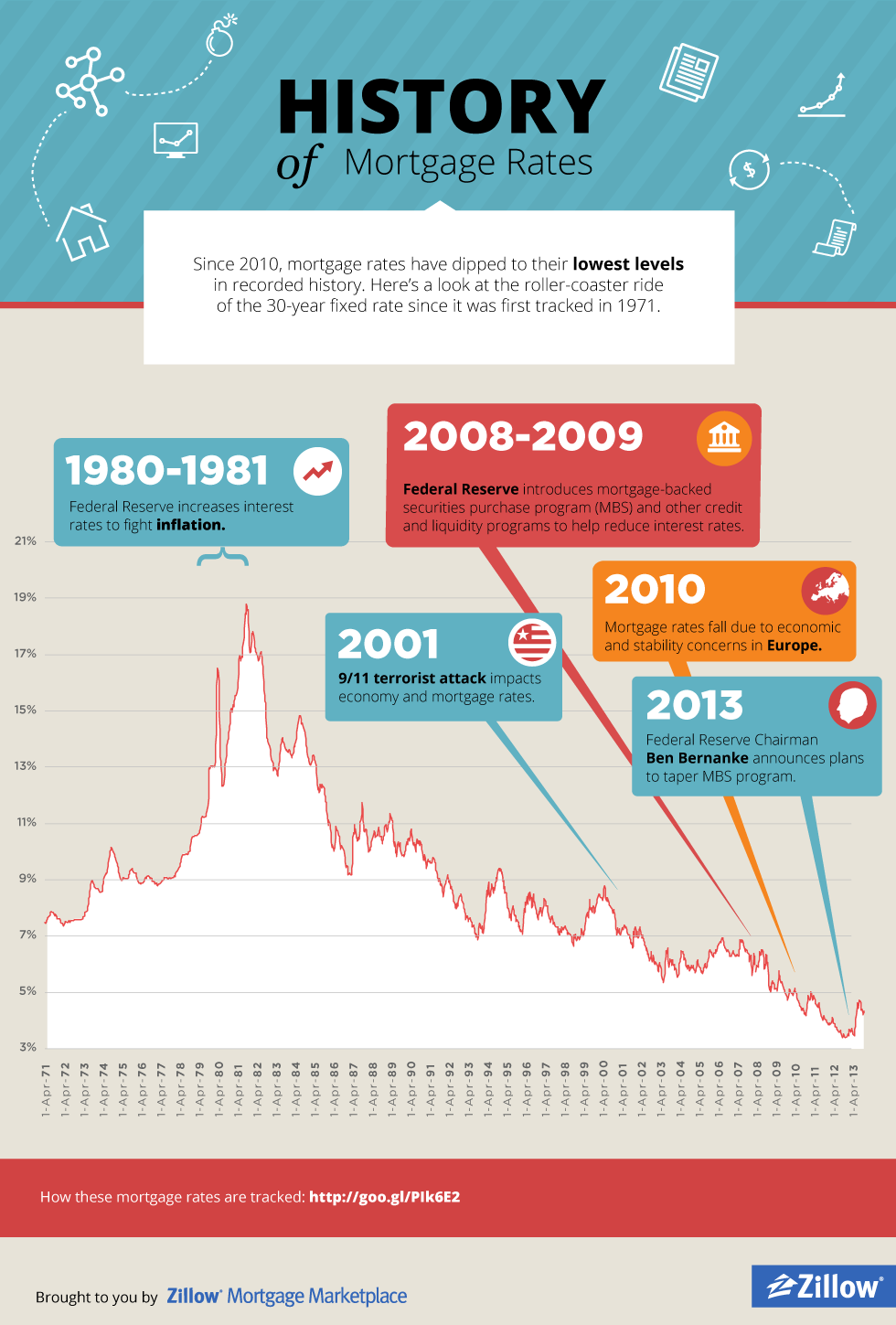
Did you know that mortgage rates today are less than half of what they were in 1990? That means if you buy now, more of your mortgage will go into building equity instead of being lost as interest to the bank.
Affordable Financing Options
Several low down payment financing options including; FHA 3.5% 0.5% Down Financing, VA ZERO Down Financing, Conventional Financing and others are available. Contact Us to find out what loan programs you qualify for. Learn more about how to buy a house in Gilbert AZ with a low down payment.
Swee Ng, Realtor with Keller Williams Realty who live, work and play in Gilbert AZ, specialize in Residential Resale, First Time Home Buyer and Investment Homes.
Call 480.721.6253 today for complimentary consultation. Buyer's Representation Services (NO COST TO HOMEBUYERS)
Buying Home in Phoenix AZ? Make sure you get Home Warranty
Posted on November 18, 2014
There are laundry lists of things to keep in mind when you start looking for Homes for Sale in Phoenix AZ. You are working with Phoenix Real Estate Agent to find your dream home that meet you and your family needs. One thing your agent will recommend is to get home warranty.
What is Home Warranty?
Home warranty is service agreement which covers the repair or replacement of many home system component and appliance that break down over time. Home warranty generally covers heating/cooling, plumbing systems and electrical systems and appliances that fail due to normal wear and tear. Not all items are covered by home warranty. Buyers should read the home warranty contract carefully to understand coverages, limitations, and exclusions.
What is Home Owner Insurance?
Home owner insurance is different that home warranty. Home owner insurance protect and cover your home in the event of damage due to same calamity befalls your home, such as a fire, a tornado, a burglary, a car crashing through the front wall. Home insurance is mandatory if you have a mortgage on your home, whereas home warranty is a recommended choice.
Why do you need a home warranty?
The home warranty protects you against the costly repairs or replacements of appliances or home systems such as heating/cooling. The key thing to keep in mind is that the warranty are intended to help with costs related to normal wear and tear of your home systems. Unlike insurance which is focused on damage due to extreme circumstances.
Do I really need a home warranty?
Home warranty is renewable every 12 months and coverage begins on the day your house purchase closes. The real value of home warranty is it is available when you really need it. If your AC broke down during 100+F heat in the summer, you just make a call and service or repair will be performed, provided they meet the terms and conditions of the home service contract. You just have to pay the trade call fee.
For more information on Phoenix AZ Real Estate market, please contact Swee Ng at 480.721.6253 to schedule a complimentary consultation.
Swee Ng, Realtor with Keller Williams Realty specializing in win-win real estate transaction through great communication and fighting for his clients' best interest. After all, this is more than real estates, this is about your life and your dreams.
If you are looking to buy or sell your home in Phoenix AZ, we hope you will consider us.
In 1981, it took 36% of the average family's budget to buy a home. Now it takes less than 15%. If you're interested in buying, it looks like history is on your side.
Swee Ng, Realtor with Keller Williams Realty Sonoran Living Phoenix AZ specializing in win-win real estate transaction through great communication and fighting for his clients' best interest. After all, this is more than real estates, this is about your life and your dreams.
If you are looking to buy or sell your home in Phoenix AZ, we hope you will consider us.
What is a Contingency when Buying a Homes in Phoenix AZ?
Posted on September 16, 2014
Think of the word "contingency" as akin to "if." When a homebuyer signs a contract agreeing to the purchase of a home, she is saying, "I agree to purchase this home in Phoenix East Valley for this amount of money if …" The "if" is the contingency.
Contingencies are those items that must come to pass before the sale finalizes. The list of possible contingencies is endless – you could tell a seller that you'll purchase his home if his dog turns into a pig, sprouts wings and flies away. You could do that, although you probably wouldn't get the house.
Contingencies in a real estate contract also represent steps along the way that allow the buyer to back out of the deal without losing her earnest money deposit or incurring a lawsuit.
Contingencies may be scattered throughout a contract. Let's take a look at some of the more common real estate contract contingencies.
Loan Approval
This is generally the first contingency listed in the contract. For instance, in the Arizona Association of Realtors® Residential Purchase Agreement, it is on page 2, section 2b.
Loan Contingency: Buyer's obligation to complete this sale is contingent upon Buyer obtaining loan approval for the loan described in the AAR Loan Status Update ("LSU") form without Prior to Document ("PTD") conditions no later then three (3) days prior to the COE Date. If Buyer is unable to obtain loan approval without PTD conditions, Buyer shall deliver a notice of the inability to obtain loan approval with PTD conditions to Seller or Escrow Company no later than three (3) days prior to the COE Date/
Unfulfilled Loan Contingency: This Contract shall be cancelled and Buyer shall be entitled to a return of the earnest money if after diligent and good faith effort, Buyer is unable to obtain loan approval without PTD conditions no later than three (3) days prior to the COE Date. Buyer acknoledge that prepaid items paid separately from earnest money are not refundable.
The loan approval contingency is one that the seller's agent will scrutinize when first going over your offer, and for good reason. The seller will be removing his home from the market if he accepts your offer and taking a chance that your loan will come through. The longer you take to get loan approval, the longer his home is off the market. If you end up being denied the loan, the seller has lost valuable marketing time.
Most contingencies work this way: Even if the contract states a time period, the buyer can choose a time frame that is more to her liking and hope the seller is OK with it.
Home Inspection
The home inspection offers the buyer an opportunity to determine, through the help of a professional, if there is anything wrong with the home's structure and major systems. It is a visual inspection only, so don't plan on finding out if there's something brewing behind the walls.
Most inspection contingencies state that you have the right to back out of the contract if the results of the inspection aren't satisfactory. Others may state that you can back out if the seller refuses to remedy any problems. Decide ahead of time how you want your inspection contingency worded.
If the inspection turns up items in need of replacement or repair, you can ask the seller to fix the problems, to deduct the cost of the repairs from the price of the house, to credit you back the money to fix them (if the lender allows this) or you can walk away from the purchase and receive your earnest money deposit back.
As stated in Arizona Association of Realtors® Residential Purchase Agreement page 5 section 6a, Buyer's Inspection Periods shall be ten (10) days after contract acceptance. After 10 days inspection periods, Buyer has 3 options:
Accept premises as current conditions and no corrections or repairs are requested
Premises Rejected
Buyer elects to provide Seller an opportunity to correct the disapproved items
Seller has 5 days to response to Buyer's request.
Sale of the Buyer's Property
It's often an immense juggling act to sell one house before you close on another. In these cases, buyers frequently make the purchase of the new home contingent on the successful sale of their current home.
Whether a seller will accept an offer with this contingency depends on a number of factors. In a seller's market this contingency is typically rejected. When there are few buyers competing for homes, however, sellers are more motivated to accept less-than-ideal offers.
The seller's personal situation may play into his decision as well. If he needs to sell his home quickly, he may reject your offer, or counter it, asking for the contingency to be removed from the offer.
Inspection of HOA Documents
If the property you hope to purchase is in a community with a homeowners association, you will be provided with a mountain of documents. These include, but aren't limited to:
Covenants, Conditions and Restrictions (CC&Rs) - These include pet policies, parking rules, rules for the use of on-site amenities, exterior décor, landscaping restrictions and more
The HOA Budget - This includes important information about where the money goes and whether the reserve account contains enough money to meet emergencies
HOA Board Meeting Minutes - The meeting minutes will let you take a peek behind the scenes and find out what type of issues the board generally deals with, what actions they have taken against homeowners, and if there has been any discussion about raising fees or levying special assessments
Governing Documents - Sometimes called bylaws, these documents let you know how elections are run, how a homeowner can go about getting a seat on the board, and the length of each member's term. You'll need the time to read through each document carefully, especially to determine if there is any pending litigation against the HOA or the developer. If there is, your lender may deny the loan.
Ensure that you are provided adequate time to either read the paperwork yourself or have your lawyer go over it.
Appraisal Contingency
Unless you are paying cash for the home, the appraisal contingency is second in importance only to the loan approval contingency. The appraised value of the home represents the maximum amount of money the lender will give you. If the lender's appraiser determines that the home isn't worth what you've agreed to pay for it, you have several options:
Ask the seller to lower the home's price to the appraised value
Increase the amount of your down payment to reduce the loan amount
A combination of the first two; the seller reduces the price and you add more cash to meet the appraised amount
Ask for a new appraisal. This only works if the appraiser made mistakes or if you or the seller can add information that the appraiser didn't take into account
Walk away from the purchase
Your real estate agent is your best source of information on the various contingencies in a real estate contract. Follow your agent's advice about staying on task during the process so that you can formally remove the contingencies by the dates specified.
Ready to Buy?
Call 480.721.6253 or Contact Us to schedule a Complimentary & NO OBLIGATION Buyer Consultation
TXT AZ246 to 32323 to Download My GPS enabled Mobile App and Browse Homes on your smartphone
Swee Ng, Realtor with Keller Williams Realty, specialize in Residential Resale, First Time Home Buyer and Investment Homes.
Call 480.721.6253 today for complimentary consultation. Buyer's Representation Services (NO COST TO HOMEBUYERS)
The choice between buying a home in Phoenix AZ and renting one is among the biggest financial decisions that you ever make. Ever thought how much you pay in rent over an extended period of time? Probably a lot more that you realize. The amount you spend for rent each month could be applied to a mortgage, not only building equity in your own property, but - in most cases - substantially reducing the Federal and State income taxes you pay each year. And what happens to your rent money? It's gone! There is no interest, no equity, no return.
Interest rates are still low, and you may be surprised at what you can afford.
Affordable Financing Options
Several low down payment financing options including; FHA 3.5% 0.5% Down Financing, VA ZERO Down Financing, Conventional Financing and others are available. Contact Us to find out what loan programs you qualify for. Learn more about how to buy a house in Phoenix AZ with a low down payment.
Ready to Buy?
Call 480.721.6253 or Contact Us to schedule a Complimentary & NO OBLIGATION Buyer Consultation
TXT AZ246 to 32323 to Download My GPS enabled Mobile App and Browse Homes on your smartphone
Swee Ng, Realtor Keller Williams Realty Sonoran Living specialty in Residential Resale, First Time Home Buyer and Investment Homes.
Communities served: Ahwatukee, Chandler, Gilbert, Mesa, Tempe and surrounding areas.
New 5% Gift Down Payment Program for Conventional Mortgage
Posted on August 2, 2014
Introducing New 5% Gift Down Payment Program from our lender partner. Entire 5% down payment can be gifted by another person. For example, family members can give down payment for your new home with conventional loan.
Academy's expanded requirements take the stress out of using gift funds to purchase a new home. Gifts/grants are now allowed to be considered part of the borrower's own funds.
Entire 5% down payment can be gifted by another person
Private mortgage insurance is required, yet premiums are lower than on a comparable FHA loan
Seller or lender credits for closing costs are allowed
Swee Ng, Realtor with Keller Williams Realty, specialize in Residential Resale, First Time Home Buyer and Investment Homes. Call 480.721.6253 today for complimentary consultation. Buyer's Representation Services (NO COST TO HOMEBUYERS)
According to KW research, the majority of home buyers saw fewer than 11 houses. In fact, folks who saw thirty or more houses only accounted for 5% of all sales. Finding a great agent who can help you narrow your focus can go a long way to getting exactly what you want.
Swee Ng, Realtor with Keller Williams Realty who live, work and play in Gilbert AZ, specialize in Residential Resale, First Time Home Buyer and Investment Homes.
Call 480.721.6253 today for complementary consultation. Buyer's Representation Services (NO COST TO HOMEBUYERS)
Is the thought of paying a mortgage keeping you from owning a home? If so, keep in mind that if you're renting you ARE paying a mortgage. It just happens to be your landlord's and not yours. Which means you're building up your landlord's equity every time you pay your rent.
Affordable Financing Options Available
Several low down payment financing options including; FHA 3.5% Down Financing, VA ZERO Down Financing, Conventional Financing and others are available. Contact Us to find out what loan programs you qualify for. Learn more about how to buy a house in Phoenix AZ with a low down payment.
Ready to Buy?
Call 480.721.6253 or Contact Us to schedule a Complimentary & NO OBLIGATION Buyer Consultation
TXT AZ246 to 32323 to Download My GPS enabled Mobile App and Browse Homes on your smartphone
Swee Ng, Realtor with Keller Williams Realty specialty in Residential Resale, First Time Home Buyer and Investment Homes.
Visit www.SweeEastValleyHomes.com for your Gilbert Real Estate needs.
Go to www.GilbertAZHouseValue.com to find out what your house is worth instantly.
Back in 1989, a loaf of bread cost .67- now it costs $1.98. And gas has more than doubled in price. Even though homes have appreciated, a monthly payment on the average house is actually less than it was in 1989.
Homes are valued a lot like everything else: They are worth what people will pay for them. The Maybach Exelero, the most expensive car in the world, sells for $8 million because that's what people will pay for it. By the same token, you can ask for $8 million for your Hyundai, Ford or Chrysler, but don't count on getting it – you'll get what the market says it's worth.
So, how do we know what a willing buyer will spend for a house? Although we may never be certain, by looking at the recent past, we can come up with a pretty good idea. This is why the market value of a house is based on sold homes that are comparable in various ways.
In other words, it doesn't matter what amount Tom, the next-door neighbor, lists his house for. The only thing that matters is what Jessica, your former neighbor, got for her house. List prices are fantasies while sold prices are reality.
Determining an accurate asking price for your home is vital, and the best way to find that price is by having the home professionally appraised. The second best way is to ask a real estate agent for a comparative market analysis. While both the appraiser and the real estate agent use the prices of sold homes as a basis, the appraisal process is a bit more in-depth.
The Appraiser
Licensed appraisers aren't house experts, but they are analysts, able to pull together myriad facts and statistics to arrive at a home's value.
To avoid a conflict of interest, most lenders adhere to the Home Valuation Code of Conduct (HVCC) and use the services of an appraisal management company.
The First Step in the Appraisal Process
Shortly after you've accepted an offer to purchase, you'll receive a call from the appraiser to set up an appointment to see the home. The time he or she spends inspecting the home varies, depending on the appraiser, but plan on it taking at least 30 minutes.
The appraiser makes note of the floor plan and any improvements, and takes measurements of the exterior of the home to determine the square footage.
Step Two
The appraiser uses statistics from the multiple listing service, public records, or a combination of both to find recently closed sales that are similar in age, size, location and features to your home. Typically, the appraiser relies on sales within the last 90 days, but may go back as far as six months. She will also use homes within a 1-mile radius of yours.
The Final Steps
The final steps of the appraisal involve comparing your house, which the appraiser calls the "subject," to the comparable homes. She'll use a list of criteria that includes the age of the homes, size, number of bedrooms and bathrooms, location and any improvements made to the homes.
She'll add or subtract value from your home depending on how it stacks up to the comparable houses until she arrives at the market value of your home.
What to Do if You Disagree With the Appraisal
An appraisal obtained by the lender is paid for by, and therefore belongs to, the buyer. So the lender won't send you, as the seller, a copy. It is up to the buyer to supply you with a copy if he or she is willing.
That said, if the appraised value is determined to be lower than what the buyer has agreed to pay, the lender will typically not lend on the property and the buyer and seller have some decisions to make.
The buyer can come up with a larger down payment (which brings down the amount of money he needs to borrow). Most buyers think long and hard about this option – nobody wants to overpay for a house.
The seller and the buyer can agree to split the amount that is over the appraised value, with the buyer bringing half the cash to the deal and the seller lowering the price of the home to meet his half of the deal.
Another option, and the one most commonly used, is that the seller lowers the price of the house to meet the appraiser's evaluation.
Finally, the seller can simply walk away from the deal.
Before any of these steps are taken, however, the buyer and the seller should review the appraisal to ensure that the appraiser used accurate information in his determination. Appraisers are human and do make mistakes. If errors are found, the buyer can notify the lender and ask for another appraisal.
Click here and Enter your zipcode and find out Market Data at no cost
Not Thinking of Selling Right Now? – Text Update to 480.788.6408 and Your Zip Code and I will send you the following update on the 1st of every month. NO SPAM – JUST ONE INFORMATIVE TXT PER MONTH
Ready to Buy?
Call 480.721.6253 or Contact Us to schedule a Complimentary & NO OBLIGATION Buyer Consultation
TXT AZ246 to 32323 to Download My GPS enabled Mobile App and Browse Homes on your smartphone
If you are looking to purchase a new house this year, now is the time to take advantage of today’s lower rates. For comparison purposes, if mortgage rates rise to 5 percent, that means a monthly payment on a $200,000 loan will rise by roughly $160 a month.
Choosing School Districts and Schools
The neighborhoods you consider while house hunting may be determined, in part, by school districts and educational choices. If you'll be sending your children to public school, ratings and other assessment tools can help you judge the merit of the schools near you. If you're considering a private school, you may have to sort through programs with a wide range of philosophical backgrounds. Read on to learn about school ratings, types of schools and other factors to consider.
Finding Information About School Districts
School ratings and test score data can be found through your State Department of Education website. According to Project Appleseed, the National Campaign for Public School Improvement, "The [federal] No Child Left Behind legislation requires an annual school report card for all schools. School report cards describe characteristics of the school, including the number of children, various test scores, ratios of teachers to students, ethnic ratios, poverty levels, and more. Report cards can usually be obtained by contacting the department of education in the state or the school district office where the school is located."
If you're considering several regions at once, you can get State Education Data Profiles by accessing the National Center for Education Statistics website. To compare school districts in another way, visit GreatSchools.org to conduct a school search. GreatSchools, which is based in San Francisco, offers free information for parents all over the nation.
What to Consider when Choosing a School
When you look for information about a school district, you have a lot to consider. Not only should you look at test scores and class sizes, but you should also consider the particular needs of your child. Project Appleseed suggests that you should assess schools with these things in mind:
Your child's personality and learning style
Your family's values, budget, and needs
School philosophy and style of instruction
School facilities and personnel
School policies and schedules
The school's reputation in the community
Core curriculum and additional courses
The school's approach to safety
Family and community involvement
If your dream house turns up in a school district with poor school ratings, don't give up hope. It may be possible to get a geographic exception to send your child to a different school. While this may rule out traveling by school bus, it could be a good compromise if you need to be close to work or have other reasons for choosing a home in a less-than-ideal school district.
Transportation
How far will your child have to walk to reach school bus stops? This can be a serious concern in areas with cold winters or in rural areas, where bus stops may be far apart. According to the American School Bus Council, school buses are safer than cars and provide vital transportation to 26 million students every day. With 480,000 buses operating in the U.S. at any given time, there's a good chance your student will be riding one to school.
When assessing transportation options for your child, ask these questions:
Where is the nearest school bus stop?
How long will my child's commute last each day?
When will my child be picked up and dropped off? (You'll want to escort younger children to and from the stop for safety.)
Will bus routes change in inclement weather?
School Violence and Bullying
It's unfortunate, but parents need to consider more than academic ratings before putting an offer on a house. School violence can be difficult to judge. Online school rating websites can be helpful, as can phoning and asking for information on school violence from local school districts. Don't be afraid to ask tough questions; where your child goes to school can have a long-lasting effect on his life.
The National School Safety Center strives to advocate for "safe, secure, and peaceful schools worldwide as a catalyst for the prevention of school crime and violence." Their website offers school safety statistics and resources.
It's Only Your Child's Future!
Not to scare you, but the choices you make today will shape your child's future. All children deserve to learn in a safe, comfortable environment. You know your child best, and as you look for a house in a good school district, you'll need to keep his or her particular needs in mind. If you know your child will thrive in a big, bustling classroom or a quiet space for a small group, for instance, you can use that knowledge to go beyond the statistics. Talk to staff, see if you can tour some classrooms, and take the time to find a great school before you buy a home.
Homebuyers nowadays have some advantages over prospective buyers during the years of the housing bust: low (but rising) interest rates and relatively low (but rising) home prices in many markets. Those advantages don't necessarily translate into confidence about a home purchase.
Buyers want to be sure they are buying a home that will at least maintain its market value, if not appreciate over the coming years.
In order to feel more certain about their choice of home, today's buyers want homes that meet three factors of good value:
Price
Condition
Location.
"Since no one knows when the market will truly level out and values will start to climb, buyers are trying to insulate themselves from buying an overvalued home," says Roxanne Gennari, a sales associate with Coldwell Banker Residential Brokerage in Princeton Junction, N.J. "Buyers are looking for the best deal they can get. In many cases, they only want to buy if they can get a house at a certain price."
Here are six items on homebuyers' checklists in today's market.
Buyers want homes that maintain value
Buyers are looking for neighborhoods where prices are rising or have at least stabilized, says Leisa Frye, a Realtor with Better Homes and Gardens Real Estate Metro Brokers in Roswell, Ga. "Buyers want to make sure their home won't be worth less in the future," Frye says, "so while they are focused on getting a good deal, they are looking for some control over not losing value in the future. They want a discount on already low prices as an insurance against potential declining value."
In Massachusetts, Gary Rogers, broker/owner of Re/Max on the Charles in Waltham, Mass., says buyers don't always find the bargains they look for.
"Lots of buyers expect rock-bottom prices, but there are no steals out there," Rogers says. "Buyers are trying to get superlow prices, but sellers who are already pricing their home at market value are not accepting those kinds of offers."
Buyers want homes in move-in condition
When homebuyers crave bargains, they sometimes look for fixer-uppers -- until they see one. Then, a lot of potential buyers change their minds, says Ben Coleman, broker/owner of Century 21 Hartford Properties in San Francisco.
"Some buyers may be willing to do a little bit of cosmetic work like replacing the carpet or having something painted, but most are looking for a home in ready-to-move-in condition," Coleman says. "The preference is for a maintenance-free home, although few homes are truly maintenance-free."
Rogers says the desire for ready-to-move-in homes may be a side effect of home-and-garden television programming.
"People used to love 'This Old House' and think they wanted to do their own work, but now they watch shows on HGTV like 'House Hunters,' where everyone leans toward homes that are in turnkey condition," Rogers says.
"Buyers don't want to deal with contractors," Frye says. "And they don't want a paint or carpet allowance. I tell my sellers to do everything before they even think about putting their home on the market."
Homebuyers want homes in handy locations
As always, the mantra "location, location, location" still applies to buying real estate. The better the location, the higher the home's value. Nowadays, buyers factor in amenities such as commute times when they assess a neighborhood's desirability.
"Location has become even more important recently than it used to be, with buyers wanting to be near the city or at least near some kind of public transportation," Rogers says. "We're seeing empty-nesters move into Boston while 20-something and 30-something buyers are moving just outside the city in order to afford to buy."
In San Francisco, Coleman says living within walking distance to amenities and to public transportation is the No. 1 priority for most buyers.
"We talk about Walk Score all the time now, which tells you how close a particular home is to things like a coffee shop, a grocery store, and a bus or subway stop," Coleman says.
Buyers want functional homes
During the housing boom, buyers looked for the biggest, most amenity-laden homes they could afford. Sometimes they bought houses they couldn't afford. Those days are over.
"Buying a home used to be all about size and luxury, but now it's about buying a functional home; one that is satisfactory and just large enough," Gennari says. "Some people still want a big home, but those that have owned one often want something smaller and not some rambling home that's expensive to heat."
Rogers says homebuyers want smaller homes for several reasons.
"It's partly a reflection of the recession, that people are being more careful and conservative," Rogers says. "They are concerned about the manageability of their home, property taxes and utility bills, and they want to be able to save money even after they buy a home."
Rogers says that while empty-nesters are particularly eager to downsize, almost all buyers share the same sensibility about size.
"It used to be OK to be extravagant, to look for a home that had 2,500 or 3,000 square feet when they really only needed 1,800 square feet," says Rogers. "Times have changed."
Buyers are looking for open floor plans
Homebuyers today gravitate toward open floor plans, in which the kitchen, family room and dining room share one space where family members can see and talk to one another.
For this reason, buyers in Georgia look for homes built in 2000 or later, mostly because the floor plans of 21st-century homes reflect the way people live today, Frye says.
She says buyers don't particularly want formal living rooms because they don't have formal furniture. A living room frequently is converted into a study or another family room.
"Everyone wants an open kitchen and family room, or at least a direct view from the family room into the kitchen, so that the family can be together even when someone is cooking," Frye says.
Buyers in the San Francisco area prefer a great room and an open floor plan, Coleman says.
"A lot of older homes in this area weren't built to be open, and have small rooms and small closets," Coleman says. "Those homes that have been renovated or can easily be changed into a more open design are extremely desirable."
Coleman says natural light is important to buyers, especially in combination with open rooms.
Buyers want a 1st-floor bedroom
Now that baby boomers are getting older, a long-predicted trend is coming to fruition: Homebuyers look for a first-floor bedroom, even if they don't intend to use it just yet. The space can be a master suite, a guest room or a flexible room that can be converted into a bedroom someday.
"The baby boom generation wants a first-floor bedroom because they are forecasting that they will stay in their home longer," Rogers says. "In addition, we're seeing more extended family members moving in together, especially since people are staying healthy longer and living longer."
Frye says homebuyers in her area prefer a guest suite on the main level rather than a master suite, unless they are elderly.
"Buyers in their 30s, 40s and 50s usually want the master bedroom upstairs, so they can be near their kids," says Frye. "If there are no health issues, they want to be upstairs, but they also want a bedroom and a full bath on the main level for their elderly parents and in-laws who live with them or even just visit."
All information provided is deemed reliable but is not guaranteed and should be independently verified.
Swee Ng is a participant in affiliate advertising program designed to provide a means for sites to earn advertising fees. Swee has affiliate relationships with other companies, people and brands and when you click a link, he and his companies may receive a direct benefit.


 11:06 AM
 Swee Ng